

The Accidental Genesis: The Discovery of the Mineral Labyrinth
In the parched geometry of the Mule Mountains, Bisbee exists as a terminal beach of the American psyche, a fossilized dream of industrial geometry and psychic dislocation. It began not with a town, but with a hallucination of wealth: the 1877 discovery of lead and copper that drew prospectors like Jack Dunn into a labyrinth of mineral veins.
The Mineral Mirage
Dunn’s discovery was a sensory trigger: he noticed an outcropping of iron oxide—a dark, rusted signature on the mountain’s flank that hinted at the subterranean vaults of lead and copper beneath.
- The Rucker Claim: Along with Lieutenant John Rucker and T.D. Byrne, Dunn staked the district’s first mining claim on August 2, 1877, naming it the Rucker. It was a placeholder in a landscape that had not yet been mapped by the logic of industry.
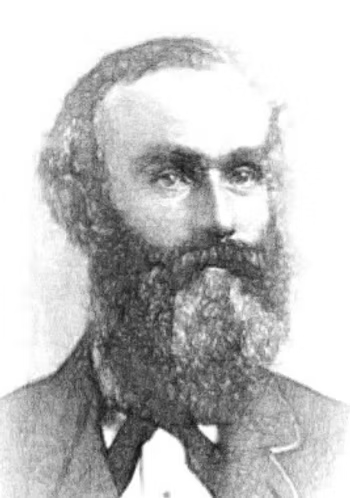
- The Erasure of the Discoverer: Unable to leave his post, Dunn grubstaked George Warren (pictured above), a prospector who was tasked with locating additional claims. In a twist of moral entropy, Warren squandered the supplies in the saloons of Tombstone, eventually staking the rich Copper Queen mine for himself and his cohorts. This was the initial blueprint—a skeletal camp of tents and timber clinging to the canyon walls, soon to be overwritten by the rigid architecture of the Copper Queen Mine.
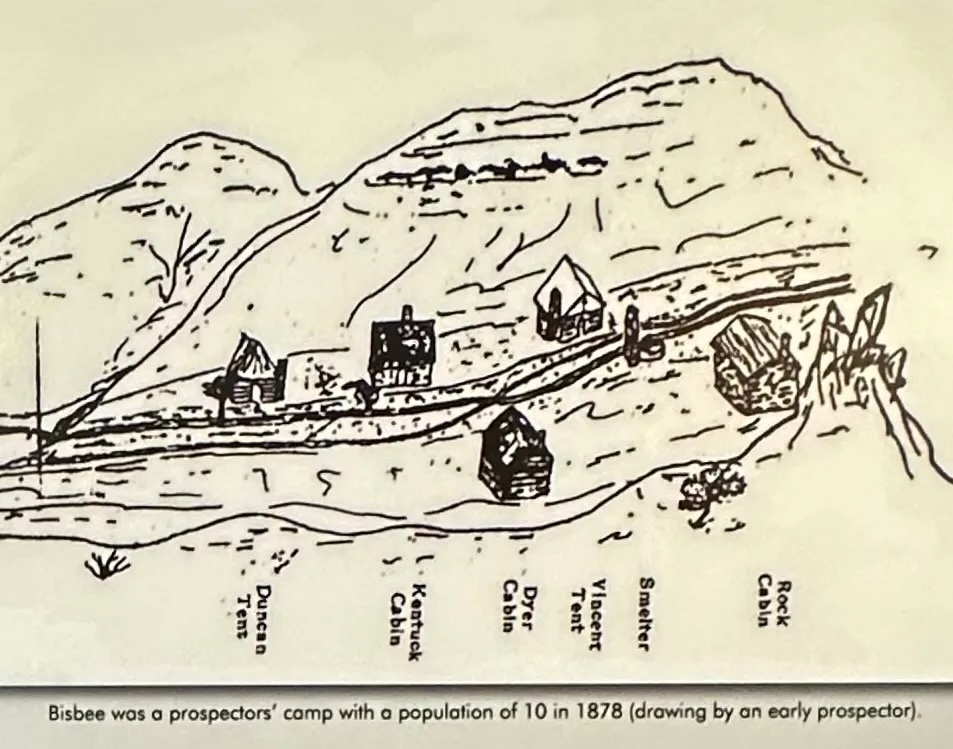
The Birth of the Machine
This initial breach of the mountainside set the stage for the Great Transformation. What began as a reconnaissance patrol looking for water and enemies evolved into a global industrial epicenter. The Mule Mountains were no longer a wilderness, but a resource to be dismantled.
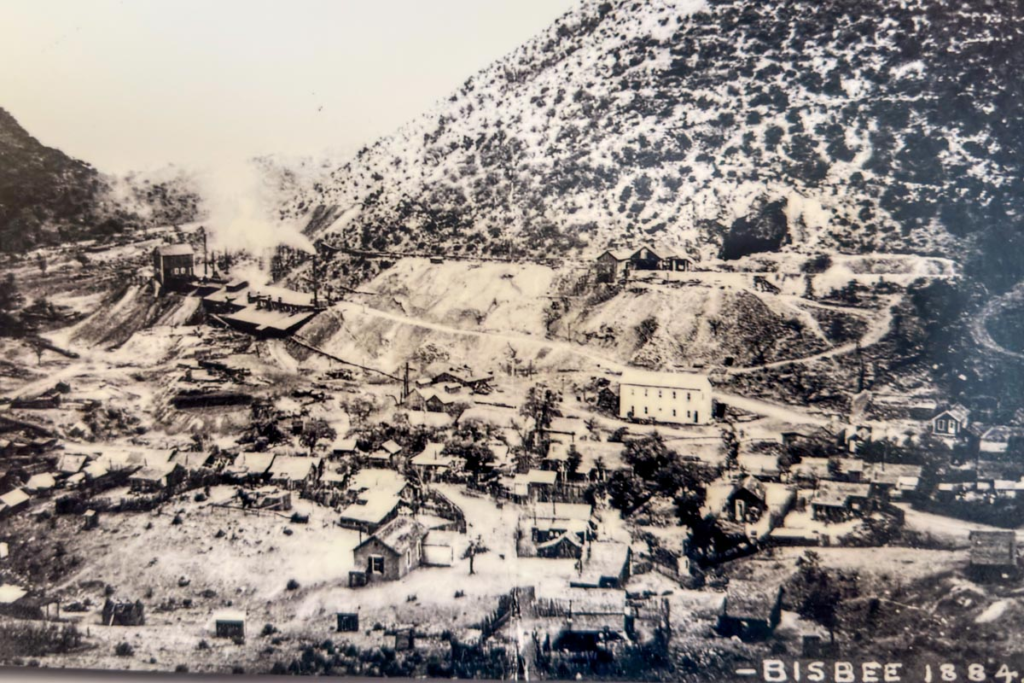
The mining industry, steered by the invisible hand of Phelps Dodge, sculpted the landscape into a series of terraced amphitheaters. By 1880, the settlement—originally known as Mule Gulch—officially became a town. It was named for Judge DeWitt Bisbee, a financial backer of the Copper Queen who ironically never visited the city.
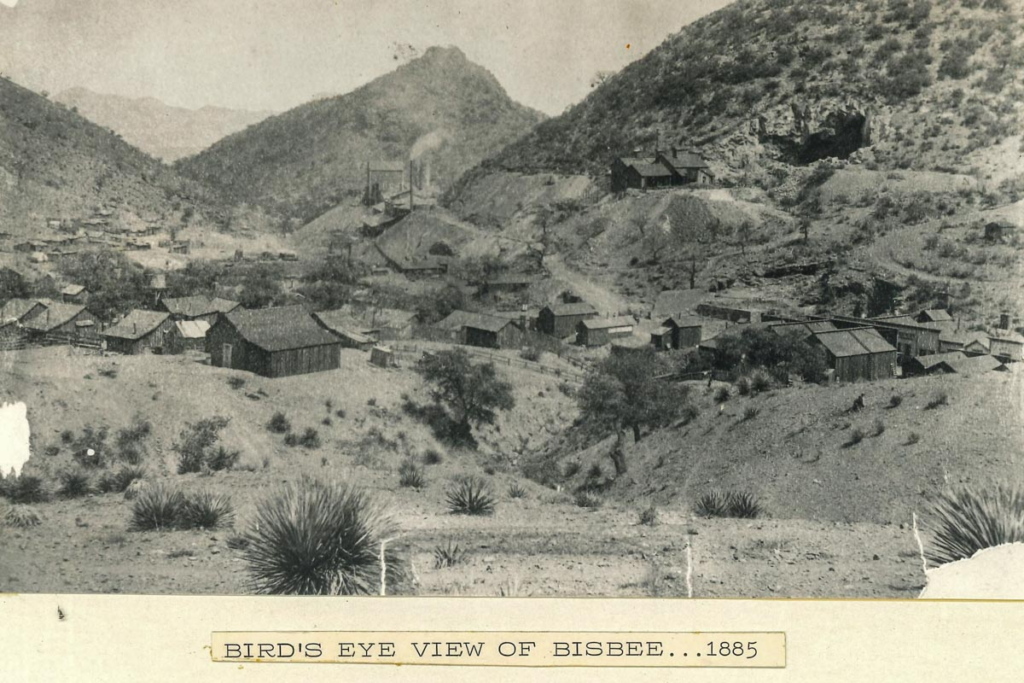
To stand today at Castle Rock or the Glory Hole is to overlook the site of the first incision. It is the zero-point of Bisbee’s history—a moment where a stray observation by a weary scout redirected the flow of capital and concrete through the desert floor.
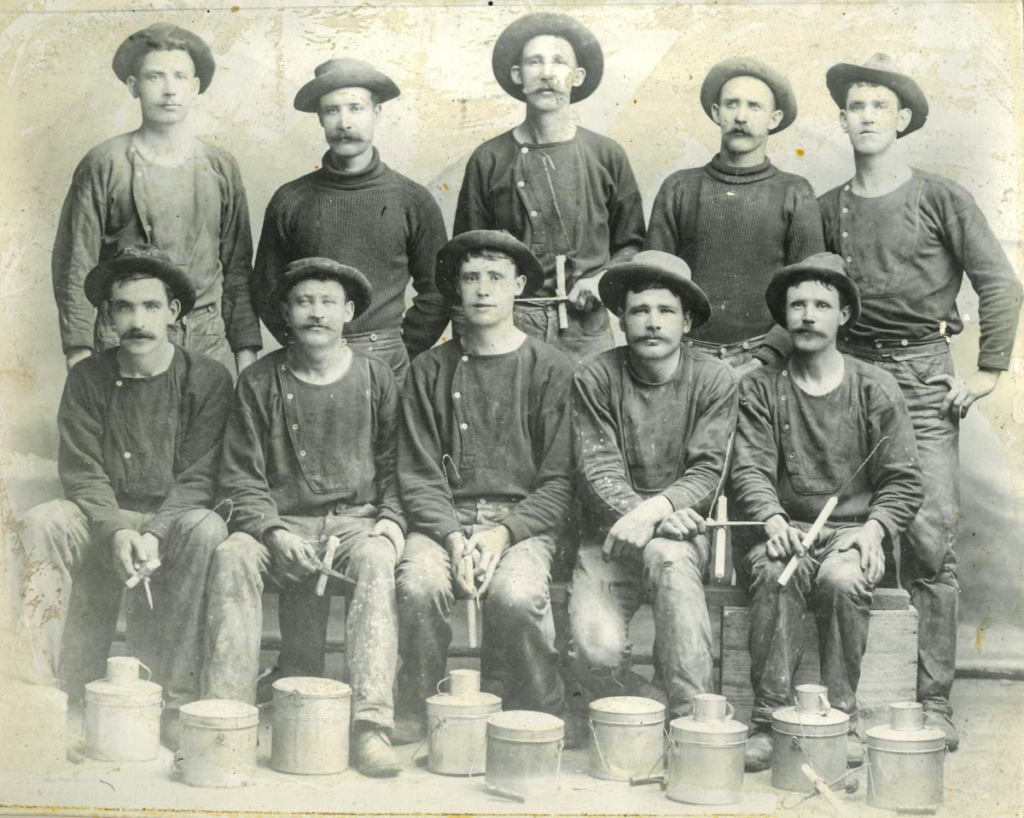
This was the era of the Company Town, where the very air was a commodity refined by the verticality of the canyon. Men became extensions of the drills, their lives dictated by the rhythmic pulse of the smelter and the subterranean logic of the tunnels.
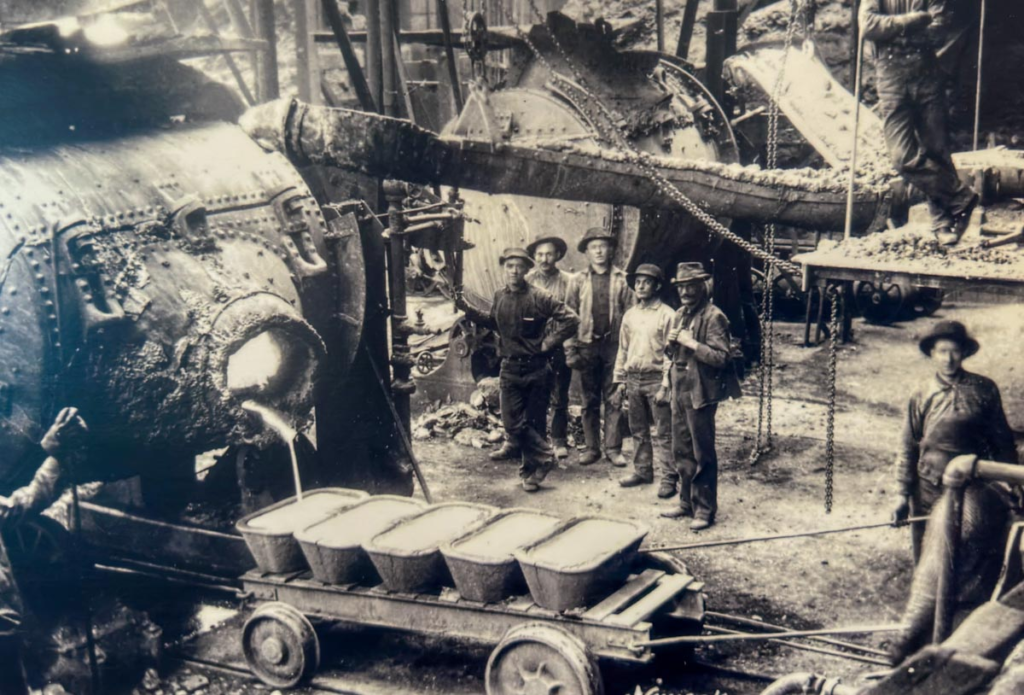
By the turn of the century, the town had transformed into a metabolic machine. By the early 1900s, Bisbee was the largest city between St. Louis and San Francisco, with over 20,000 residents.
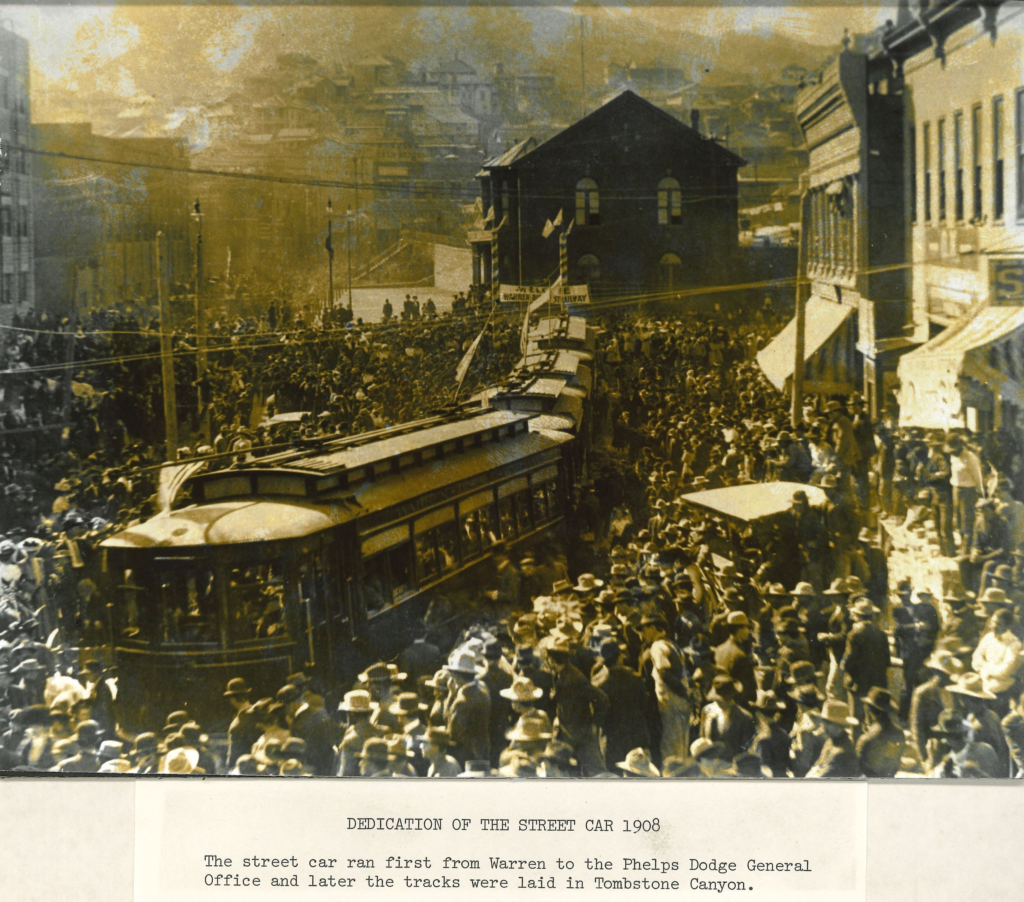
The town’s prosperity came with hardships, including massive fires in 1907 and 1908 that destroyed many early wooden structures. The brick buildings seen today in Old Bisbee are the result of the grand reconstruction that followed.
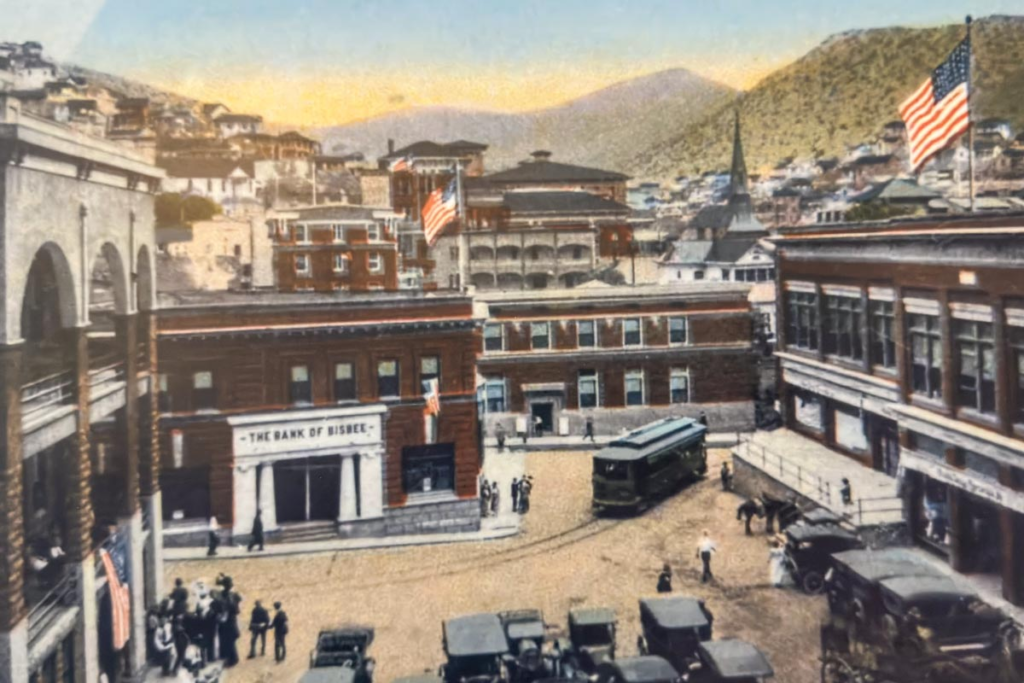
Historical Coordinates:
- The Site: The original discovery marker is located near the Copper Queen Hotel, where the Glory Hole still marks the first mine development.
- The Legacy: George Warren, despite his penchant for whiskey and lost bets, remains the face on the Arizona state seal, a final ironic monument to the unpredictable nature of the frontier.