
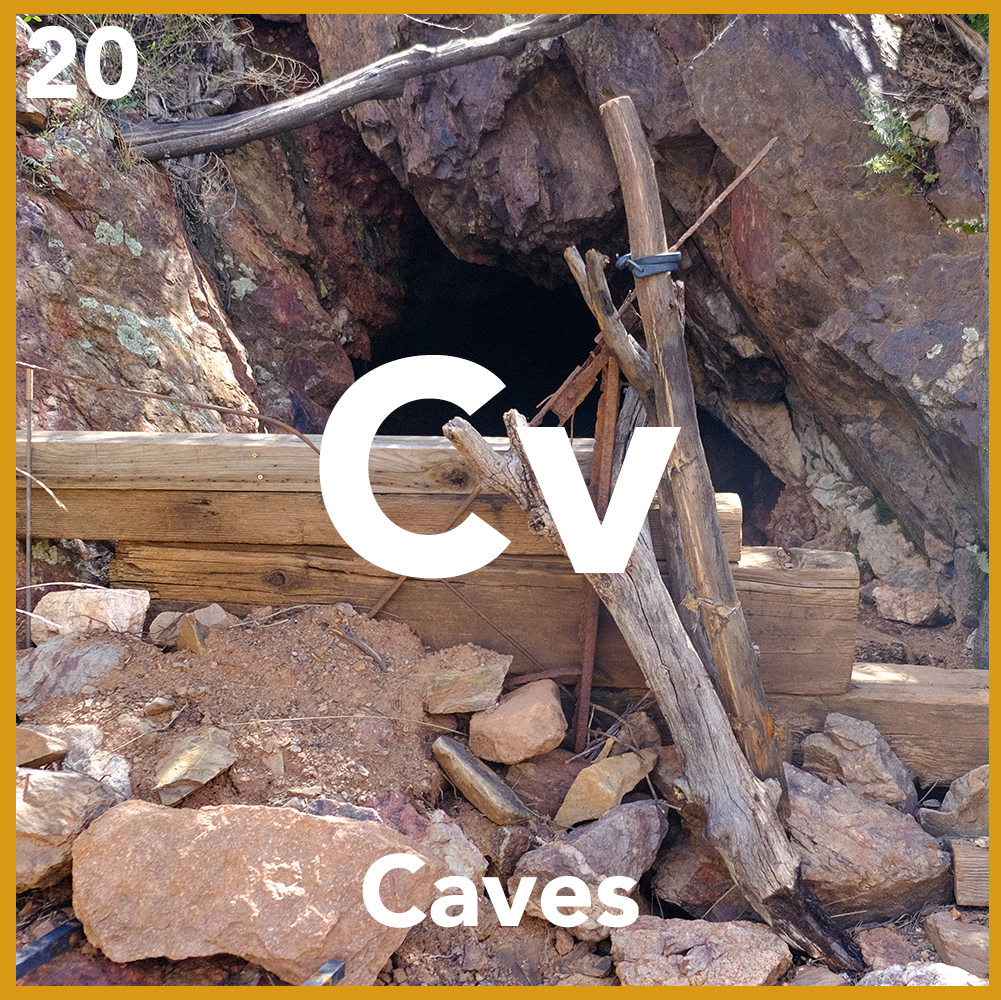
The Subterranean Subconscious: Bisbee’s Negative Space
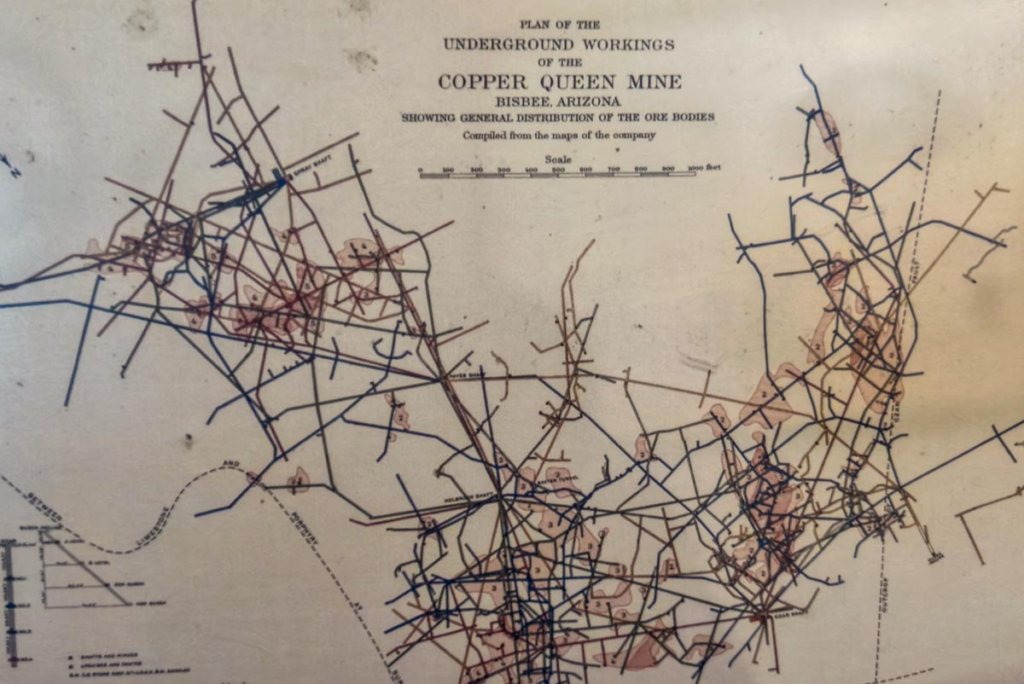
In Bisbee, the terrestrial surface is merely a thin, precarious crust. Beneath the Victorian floorboards and the fractured asphalt of Brewery Gulch lies a “geometric void”—a labyrinthine network of over 2,500 miles of tunnels, drifts, and stopes that honeycomb the Mule Mountains. This is the town’s “inner space,” a dark, pressurized mirror to the vertical world above, where the air is thick with the scent of oxidized copper and the persistent weeping of mineral-rich groundwater. To inhabit Bisbee is to live atop a “hollowed monument,” a psychological terrain where the absence of stone is more significant than the presence of the mountain itself.
The Taxonomy of the Void
The subterranean architecture of the Copper Queen and its sister mines represents a century of “industrial erosion”.
The Muleshoe Drifts
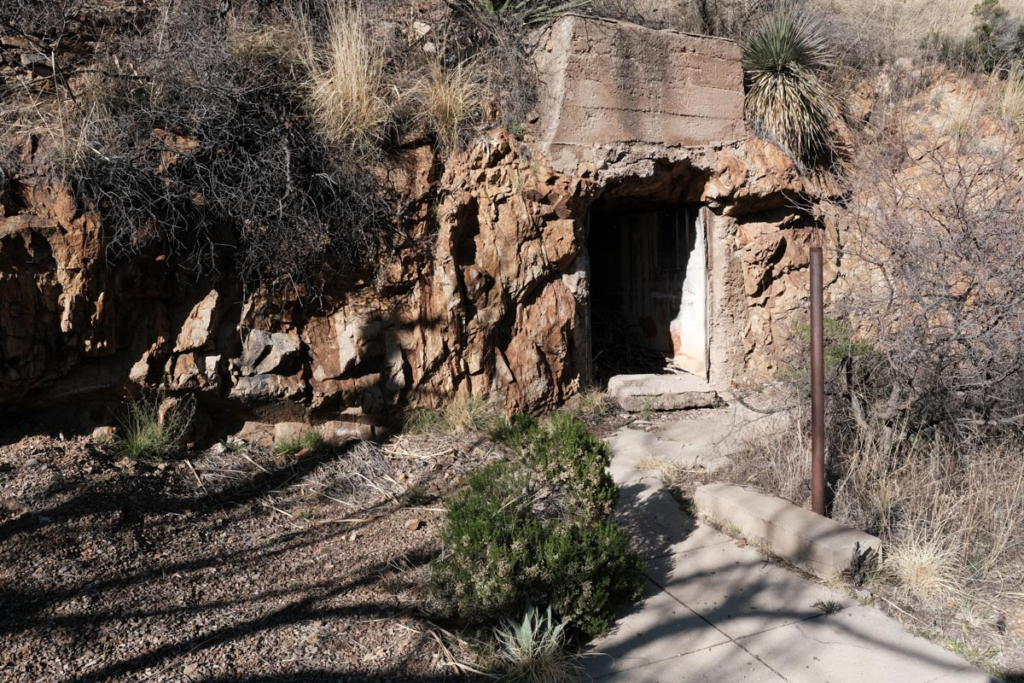
These are the horizontal arteries, some so narrow they still bear the rhythmic scarring of hand-driven steel. They are the “slow-motion tunnels” of the 19th century, designed for the passage of ore-laden mules and the men who guided them through the oxygen-deprived dark.
The Cathedral Voids
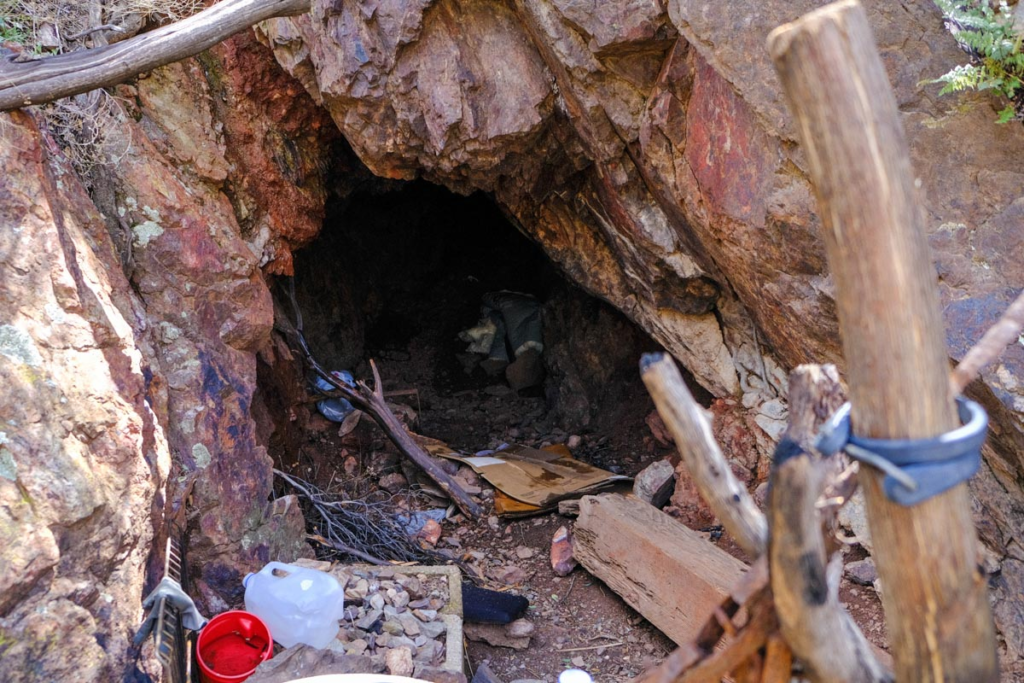
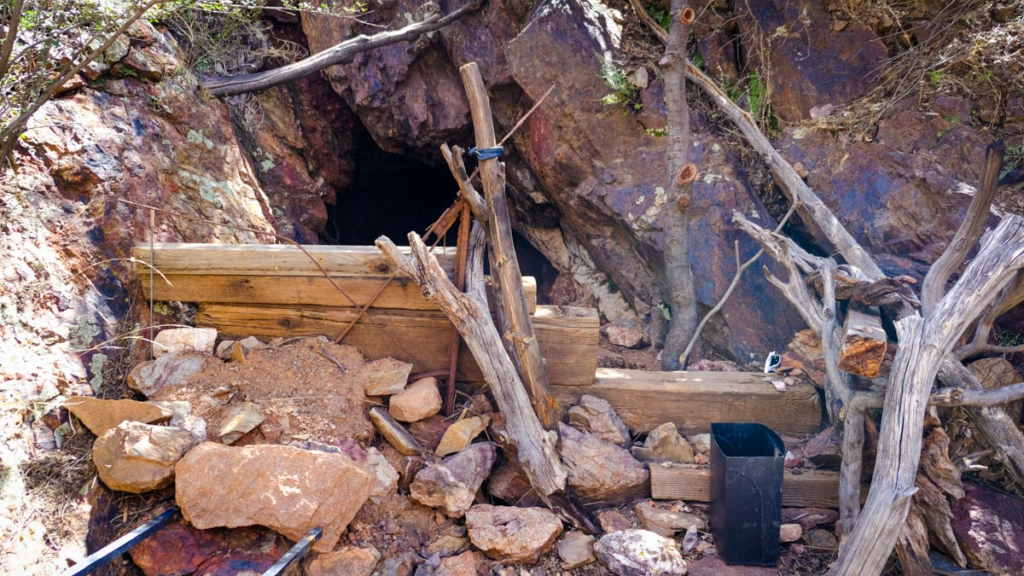
In areas where massive pockets of high-grade ore were extracted, the earth has been replaced by “cavernous silence.” These man-made grottoes, often reinforced by massive timbering of Oregon fir, resemble the ribs of a prehistoric beast swallowed by the rock.
The Flooded Horizons
Below the 1,200-foot level, the tunnels have surrendered to the water table. These are the “submerged archives” of the mine, where rusting ore cars and forgotten tools are preserved in a cold, saline solution, invisible to the terrestrial world.
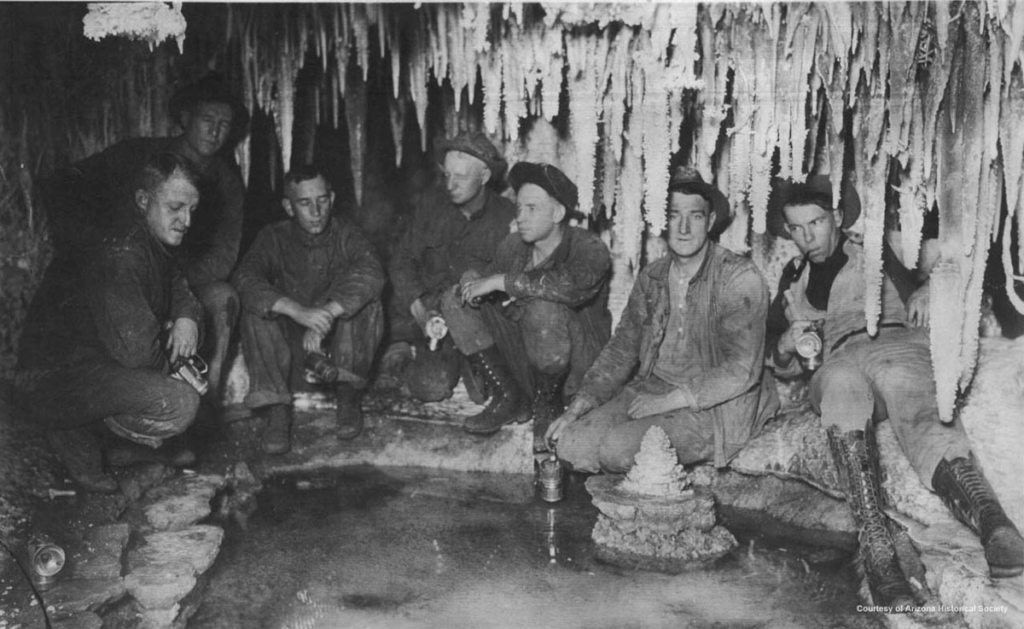
In Bisbee, the tunnels are more than infrastructure; they are the terminal points of the 20th century’s industrial psyche, a world where the future has been excavated and replaced by a permanent, copper-tinted memory.
Protocols for the Subterranean Interior
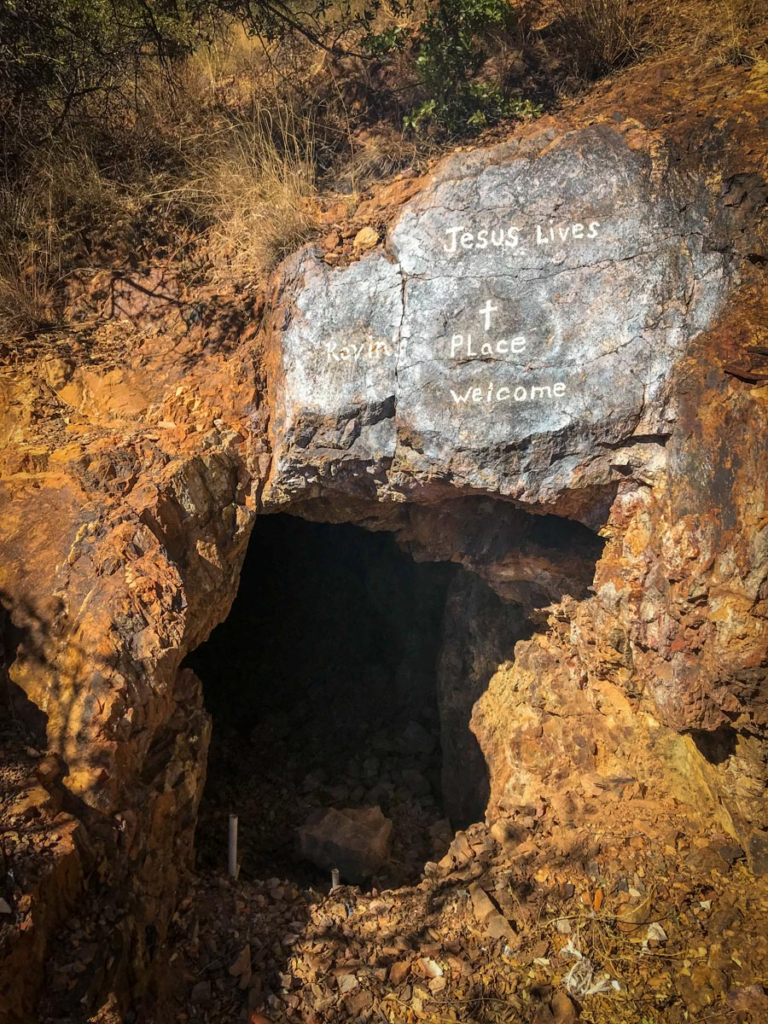
- The Law of Closure: Thousands of “wild” mine portals litter the surrounding hills. To enter them is to invite a “terminal collapse.” These are not caves; they are unstable industrial ruins. Observe the State Mine Inspector’s warnings: “Stay Out, Stay Alive.”
- The Claustrophobic Calculus: If you suffer from a fear of enclosed spaces, the Queen Mine Tour will function as a “psychological stress test.” The mountain does not offer exits; it only offers depths.
- Thermal Preparation: Even if the surface temperature in Old Bisbee is a blistering 40°C, the interior of the mine remains a persistent, damp chill. Bring a jacket that acknowledges the reality of the earth’s core.
- Acoustic Awareness: In the tunnels, sound travels with a distorted, metallic clarity. A single drop of water can echo with the intensity of a hammer strike.
- Pro Tip: Visit the Badassery for lunch where you can eat inside of an actual cave under Castle Rock.