Bugs of the Borderlands
Bisbee’s extreme elevation and “sky island” geography make it a hotspot for some of North America’s most bizarre and colorful invertebrates, especially during the humid monsoon season.
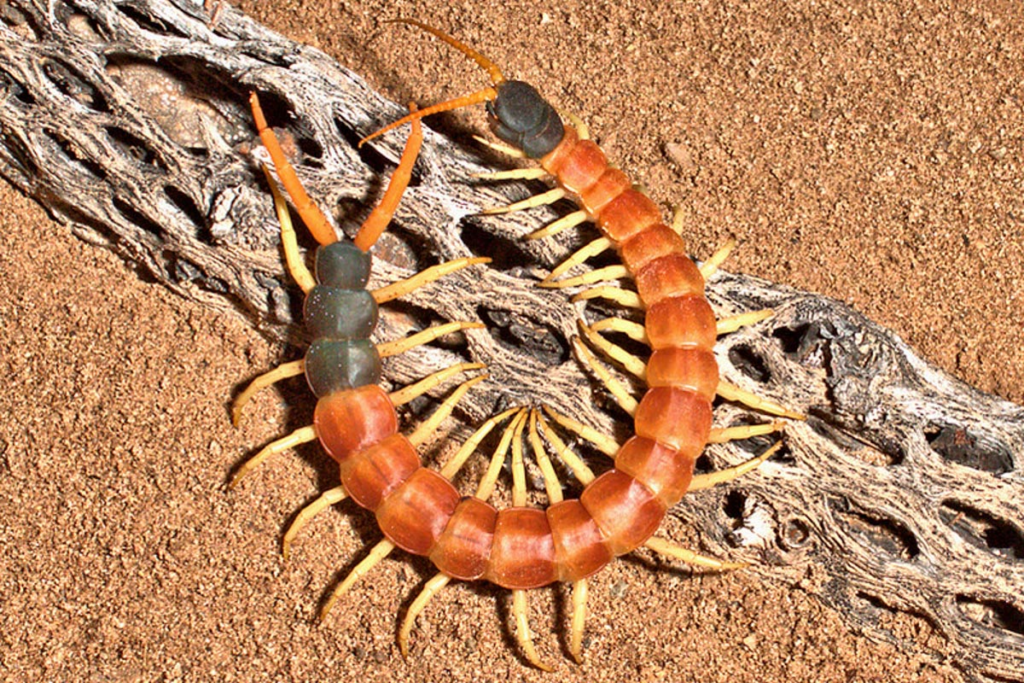
Giant Desert Centipede
The Scolopendra heros, or Giant Desert Centipede, is the apex predator of the Southwest’s insect world and perhaps the most intimidating resident of the Mule Mountains.
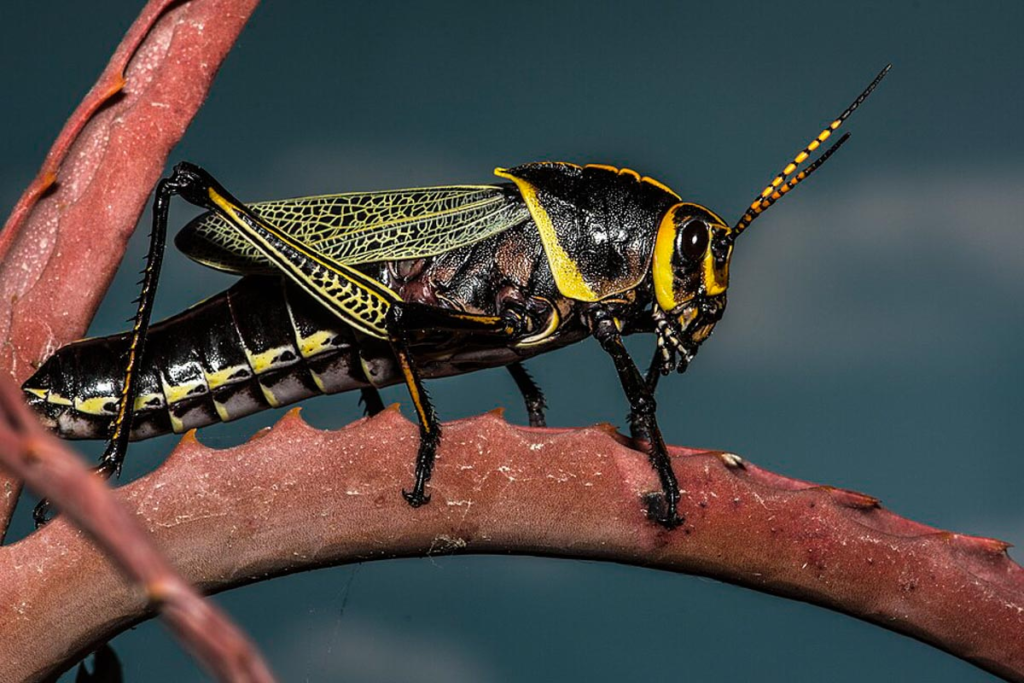
Horse Lubber Grasshopper
A massive, flightless tank of an insect that can grow over three inches long. They are black with striking yellow or orange accents and are often seen “marching” across roads near the Bisbee Cemetery.
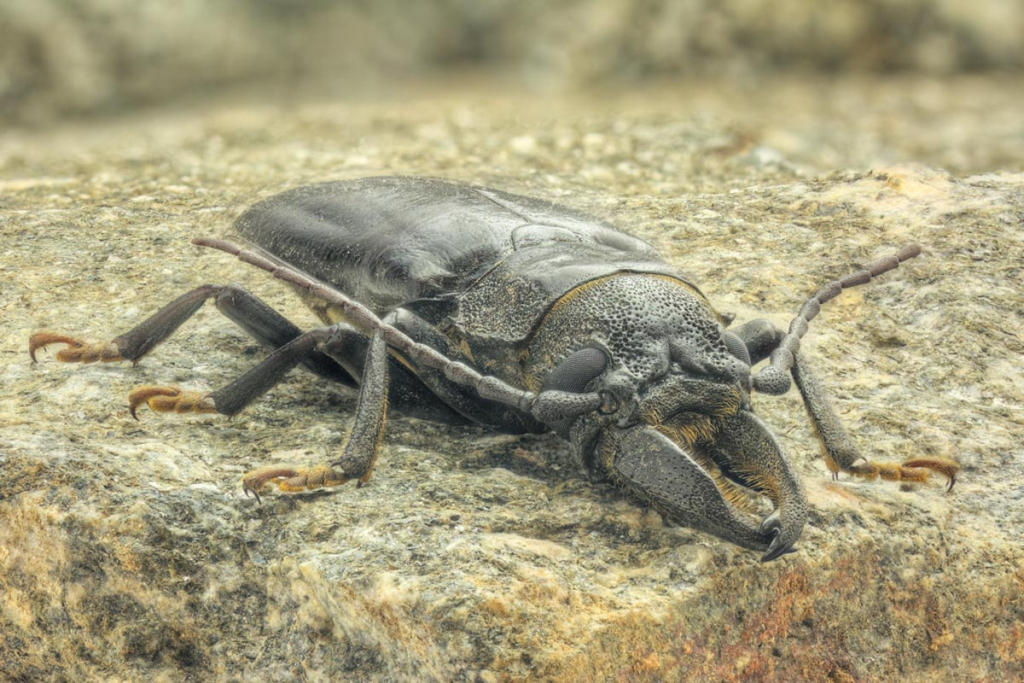
Palo Verde Beetle
One of the largest beetles in North America, these “monsoon monsters” can reach five to seven inches in length. They are clumsy flyers often attracted to porch lights during summer rains.
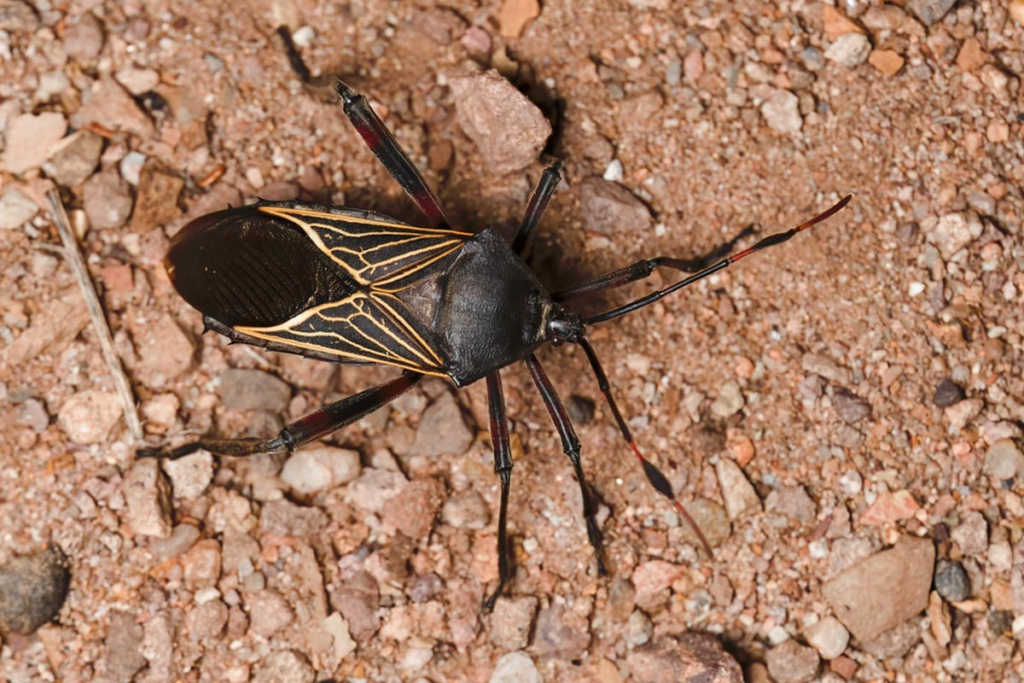
Giant Mesquite Bug
These look like something out of a sci-fi movie. The nymphs are bright red and white to warn predators, while adults are dark with orange bands and massively enlarged “thighs” on their hind legs.
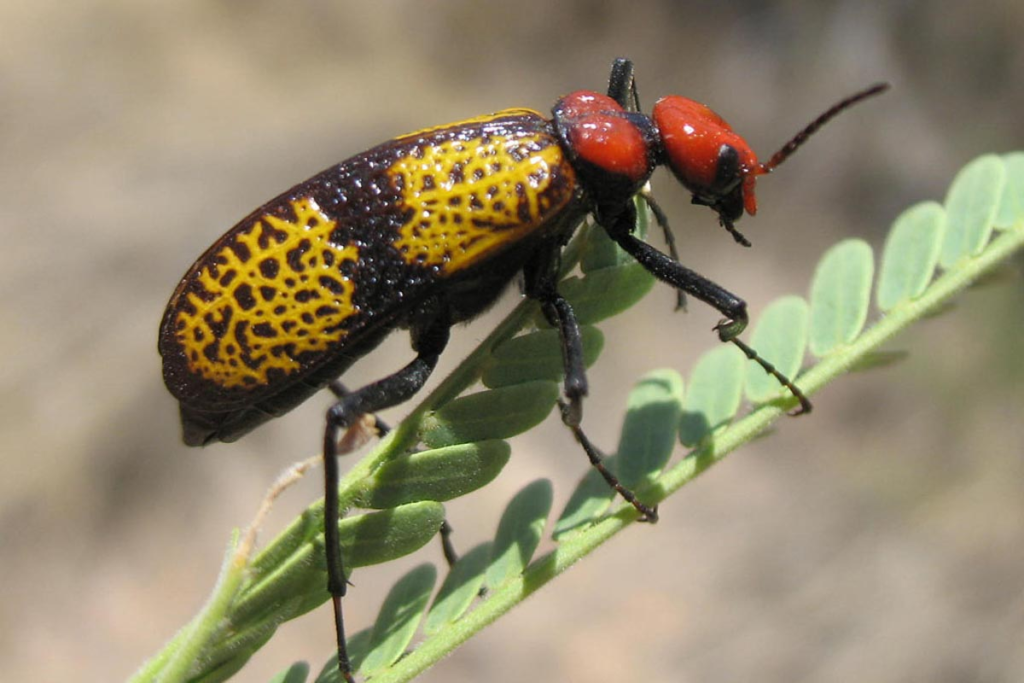
Iron Cross Blister Beetle
Recognizable by its bright yellow “cross” pattern on a black body with a red head. Do not touch: they secrete a chemical called cantharidin that causes painful skin blisters.
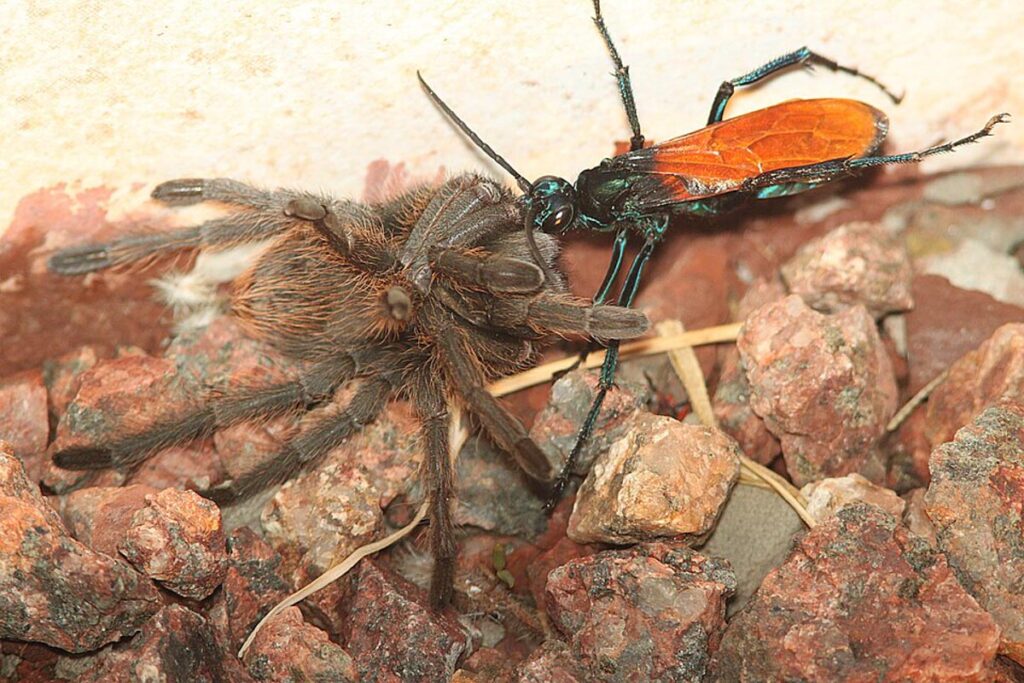
Tarantula Hawk
A large, metallic blue-black wasp with bright orange wings. It has one of the most painful stings in the insect world, which it uses to paralyze tarantulas to feed its larvae.
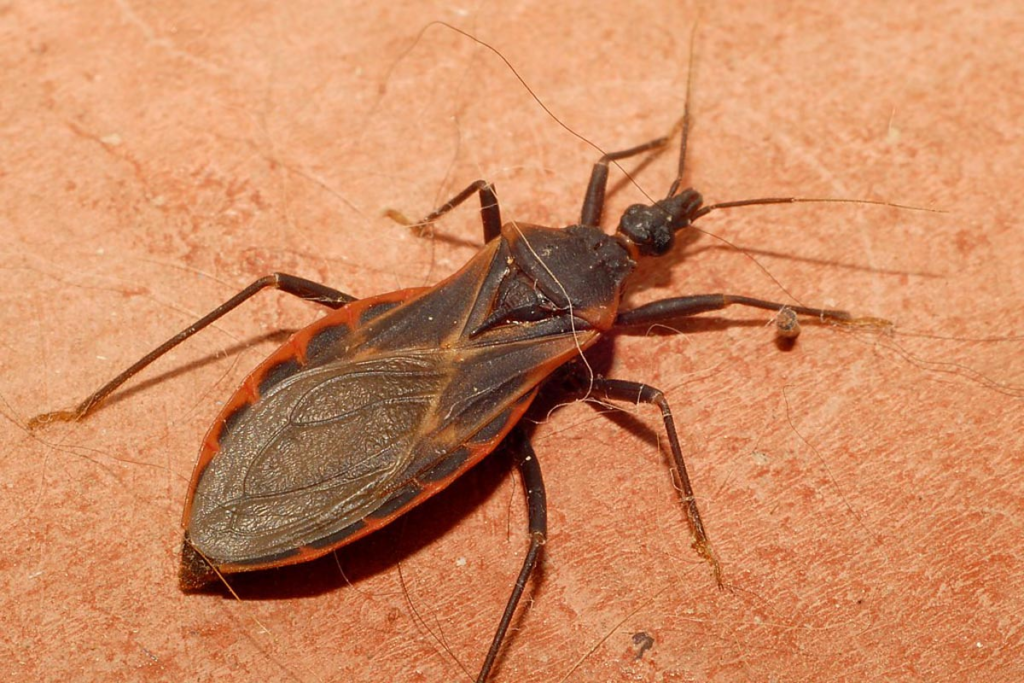
Kissing Bug (Conenose Bug)
A nocturnal blood-sucker common in the Mule Mountains. They are “prized” by collectors for their large size (~1.5 inches) but are known locally for their ability to carry Chagas disease.
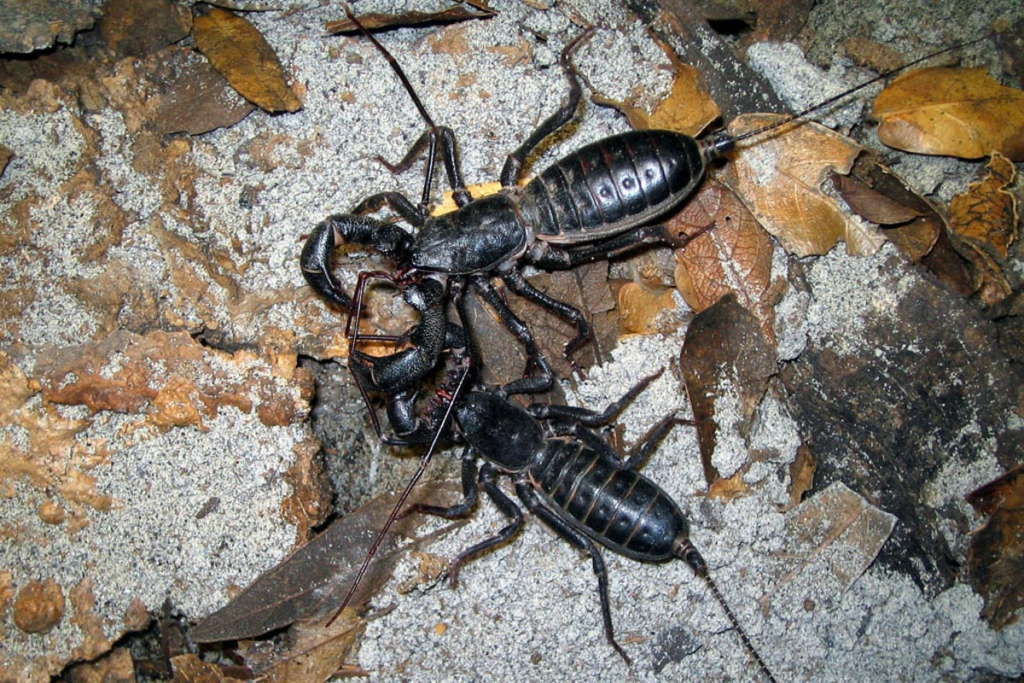
Giant Vinegaroon
Neither a spider nor a scorpion, this prehistoric-looking arachnid has a long whip-like tail that sprays a concentrated vinegar-scented mist when it feels threatened.
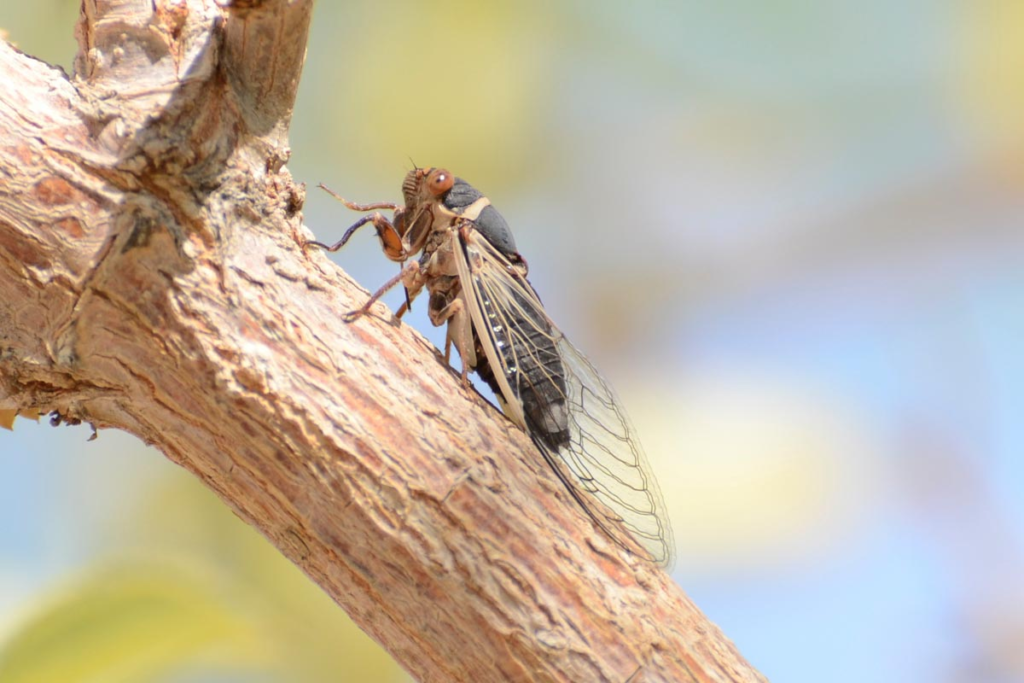
Apache Cicada
The soundtrack of a Bisbee summer. These “sweating” insects produce a piercing buzz that can be heard from nearly 500 yards away to attract mates during the hottest part of the day.
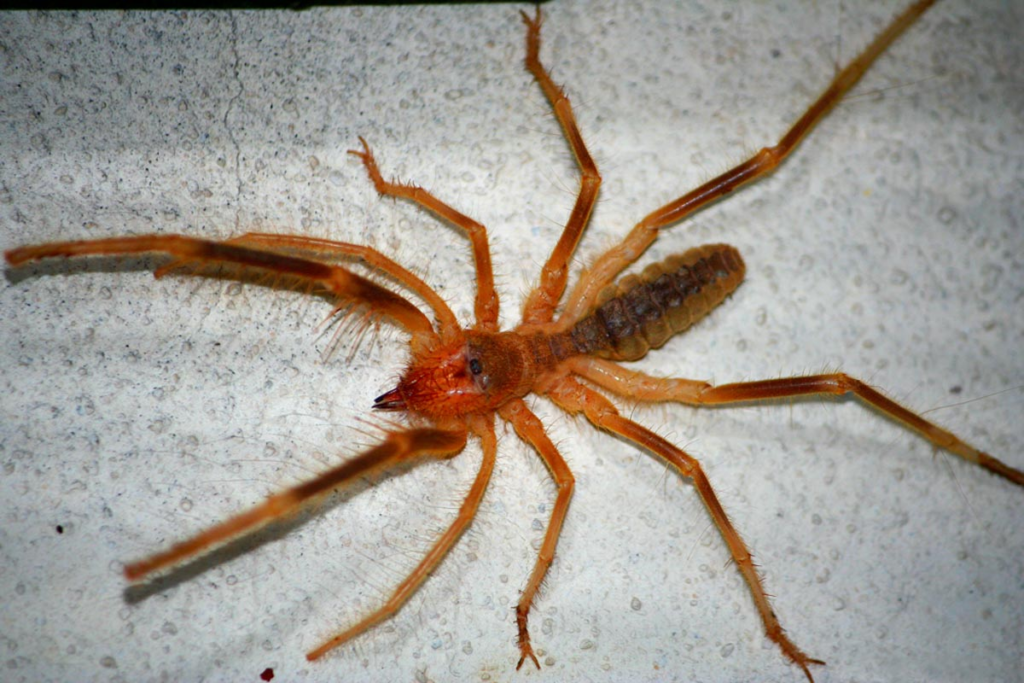
Camel Spider (Solifugae)
Despite the name, they aren’t true spiders. They are rare, non-venomous desert dwellers with massive, powerful jaws used to hunt other small insects.
Know Before You Go:
- Monsoon Mania: Most of Bisbee’s “weirdest” bugs emerge during the July–September monsoon season when moisture levels are highest.
- Look, Don’t Touch: Many colorful desert insects use “aposematic coloration” to signal they are toxic or have a nasty sting.
- Light Attractions: If you want to see these creatures without hiking, simply check the walls near the bright lights of Brewery Gulch after a summer rainstorm.