
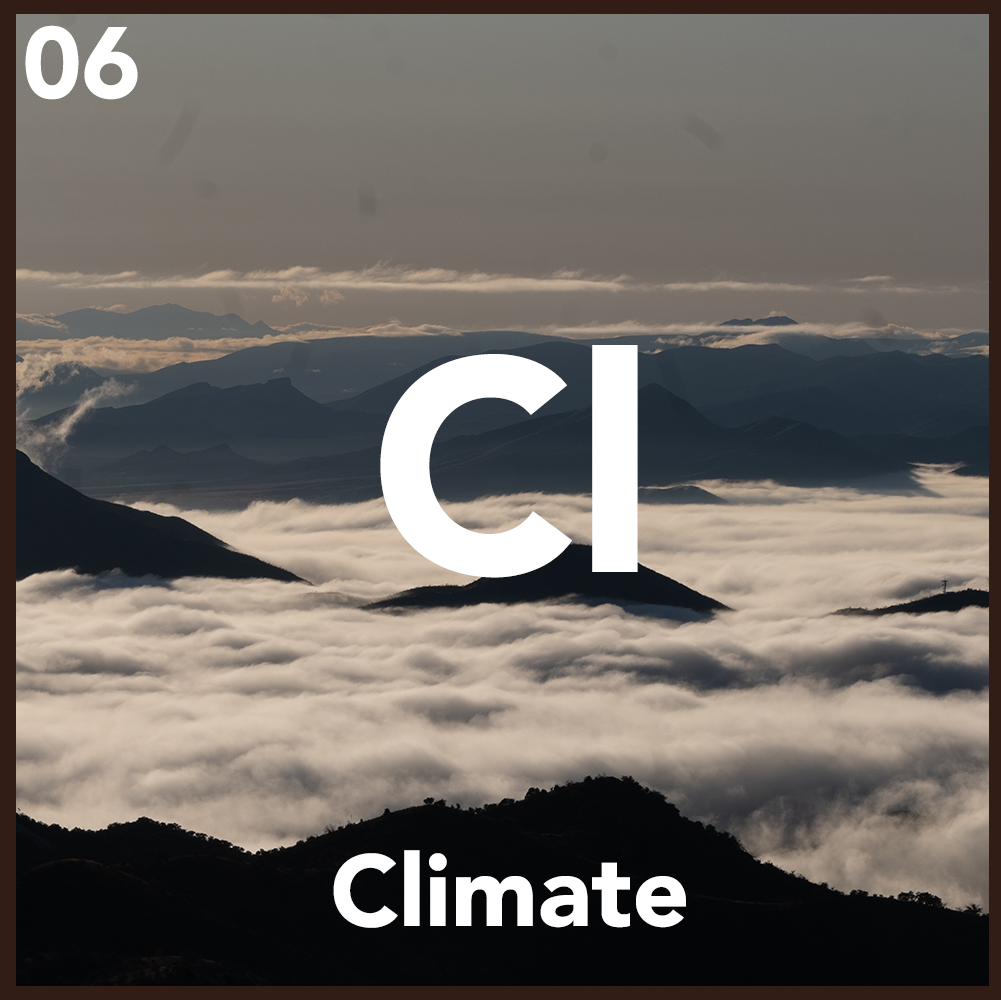
The Meteorology of Vertigo: The Bisbee Atmospheric Machine
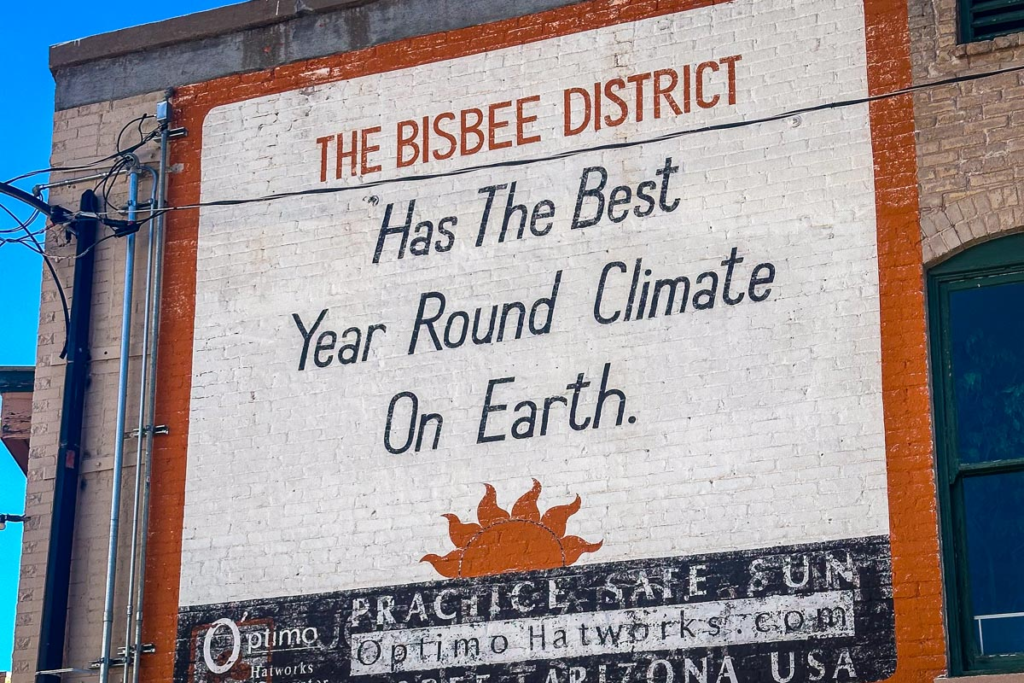
In the high desert of the Mule Mountains, Bisbee exists as a climatic anomaly, a thermal sanctuary suspended at an elevation of 5,500 feet. Here, the atmosphere is not merely weather, but a tectonic regulator that separates the town from the furnace-realities of the Phoenix basin. The climate is a rhythmic oscillation between semi-arid stillness and monsoonal theater.
The Thermal Shield
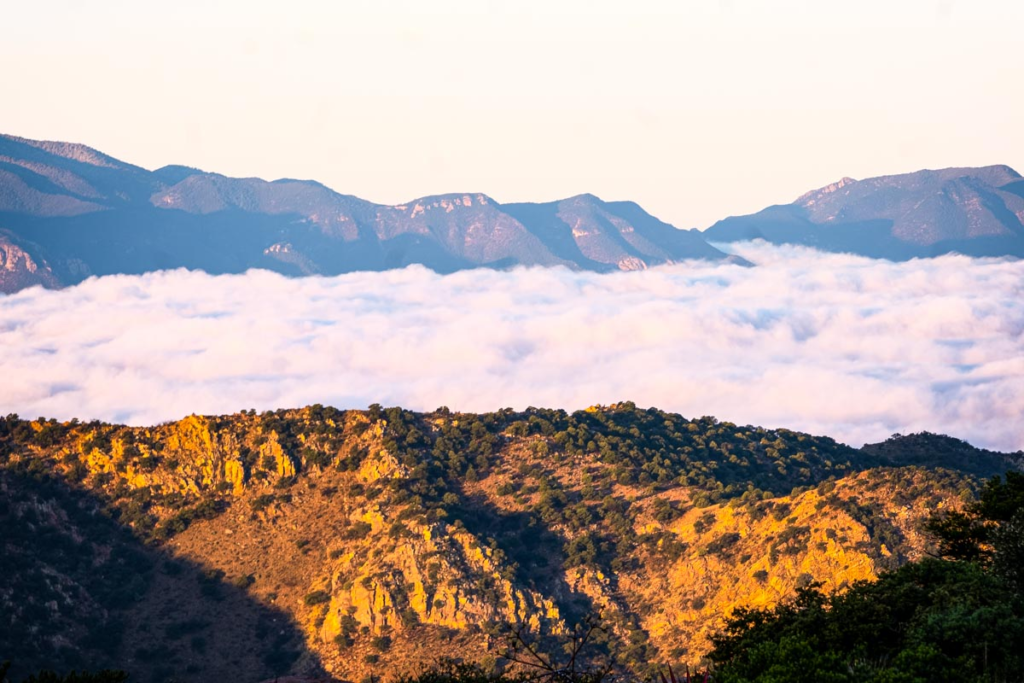
While the lower elevations swelter in 100-degree light, Bisbee’s moderate summers rarely breach the 90-degree threshold. The town operates within its own microclimatic bubble, where temperatures typically hover 15 to 20 degrees cooler than the desert floor, creating a mild, high-altitude environment.
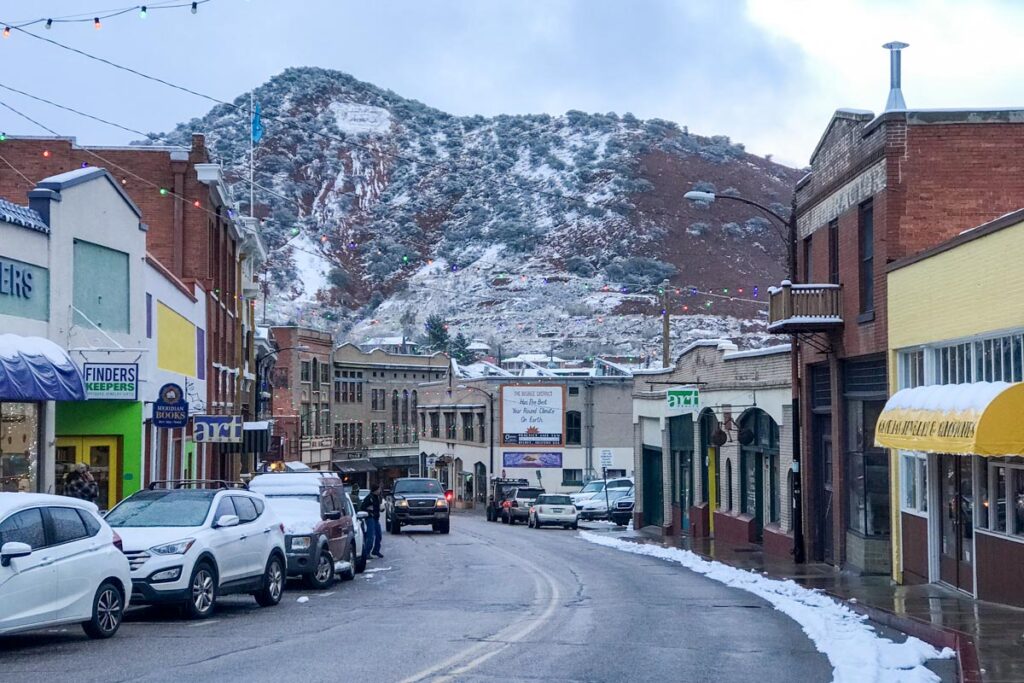
Without the asphalt heat-sink of larger cities, the canyon walls shed heat rapidly at night, dropping the mercury into a crystalline chill that preserves the town’s Victorian-era metabolism. December and January bring mild winters that occasionally fracture into sudden snowfall, briefly transforming the red-rock geometry into a monochromatic Alpine hallucination.
The Monsoonal Overwrite
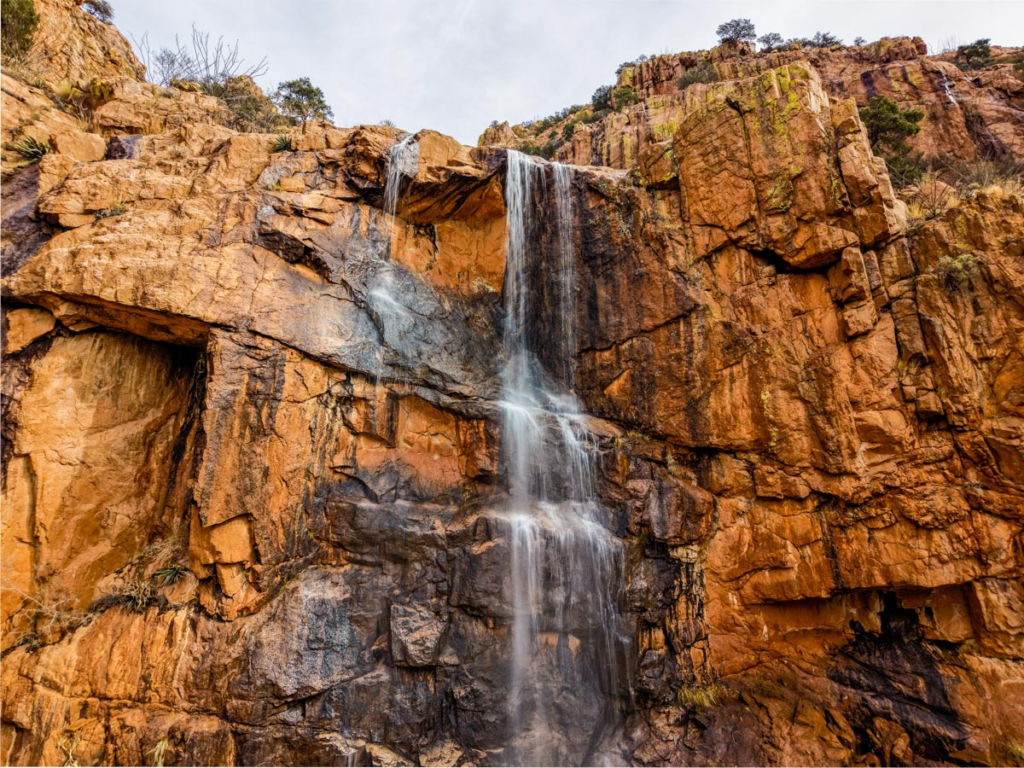
From July to September, the town participates in the Monsoon Season—a predictable atmospheric revolt. The parched canyons are suddenly inundated by intense thunderstorms that deposit over half of the annual rainfall in a few violent weeks. This is the era of the electric sky, where lightning illuminates the skeletal frames of the old mine derricks and the heavy, humid air smells of creosote and ozone.
The Celestial Lens
Beyond the heat and rain, Bisbee’s atmosphere is defined by its clarity. As a designated International Dark Sky Community, the town has effectively curated its own nocturnal visibility. The absence of industrial light allows the Milky Way to become a permanent fixture of the ceiling, a silent, swirling archive of light that dwarfs the human drama unfolding in the bars below.
Climatic Navigation
- Hottest Month: June, with an average high of 88°F.
- Wettest Month: July, dominated by the afternoon thunder-rituals.
- Optimal Transit: Spring and Fall, for those seeking the maximum intersection of sunlight and cool temperatures.