

The Great Metamorphic Shift: The 1970s and the Alchemical Rebirth
In the mid-1970s, Bisbee underwent a systemic collapse that functioned as a biological reset. When the Phelps Dodge Corporation extracted the final profitable grams of copper and shuttered the Lavender Pit and Copper Queen Mine in 1975, the town’s industrial heartbeat flatlined. The corporate nervous system withdrew, leaving behind a ghost-architecture of Victorian brick and terraced canyons—a vacuum soon to be filled by a new, bohemian metabolism.
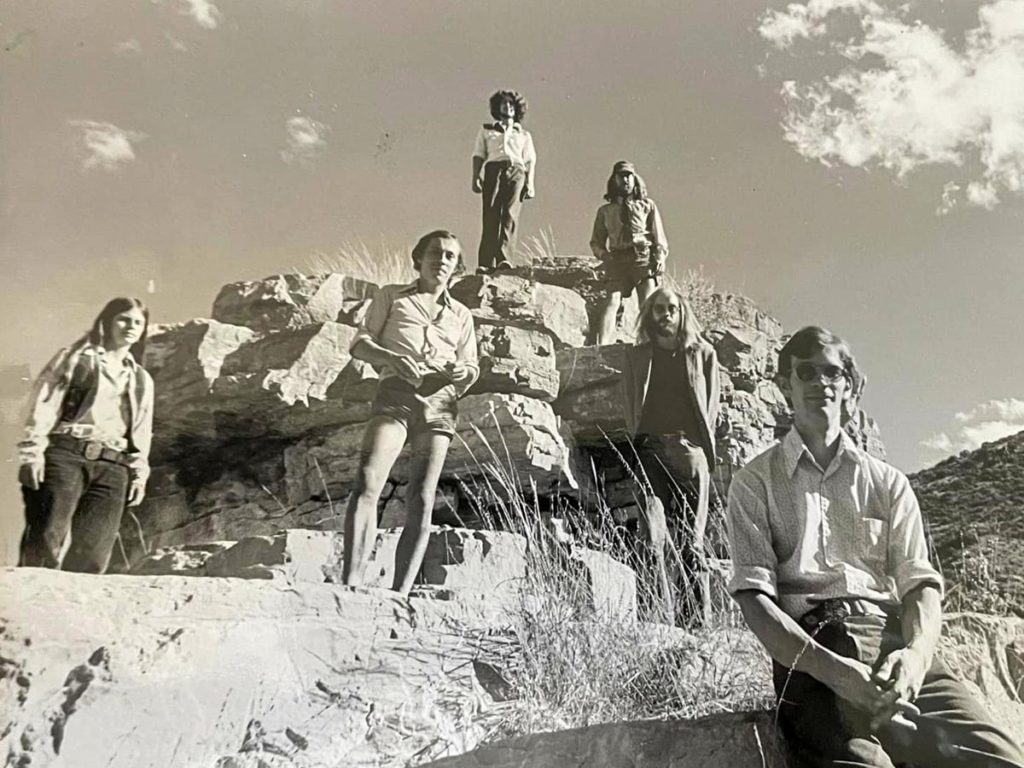
The Colonization of Decay
As the mining families evaporated, property values plummeted into a fiscal abyss. This economic cratering acted as a beacon for a diverse diaspora of artists, hippies, and urban refugees seeking an unscripted reality.
The Architectural Squat
The steep, hand-built miners’ shacks became high-altitude studios. The liminal spaces of Brewery Gulch—once the site of industrial vice—were repurposed as communal laboratories for poetry, pottery, and alternative lifestyles. The new inhabitants did not seek to restore the town but to curate its decline. They embraced the oxidized textures of the mining ruins, transforming the industrial debris into a folk-art landscape that defied the rigid logic of the corporate mining machine.
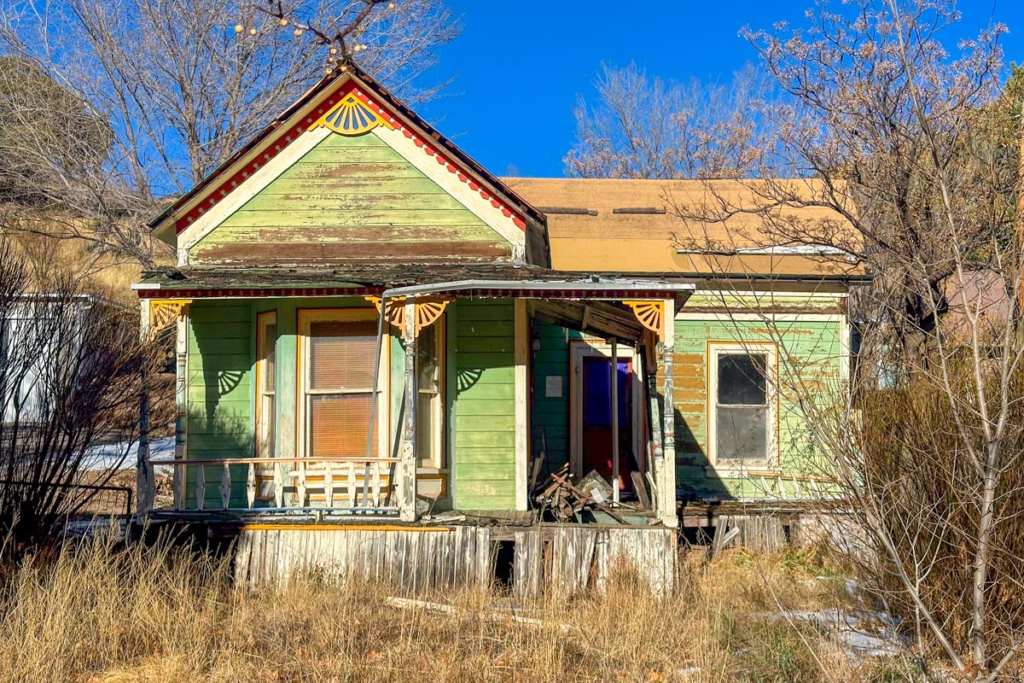
The Cultural Overwrite
By the late 70s, Bisbee had evolved into a psychic island—a social anomaly suspended in the Mule Mountains. The hard-rock labor pulse was replaced by the rhythm of the gallery opening and the street musician. This was the Bisbee Renaissance.
The Velvet Revolution
The strict corporate surveillance of the past was overwritten by a libertarian ethos and the town began to market its own survival. The shuttered mines were rebranded as historical spectacles, turning the trauma of the pits into a boutique experience.
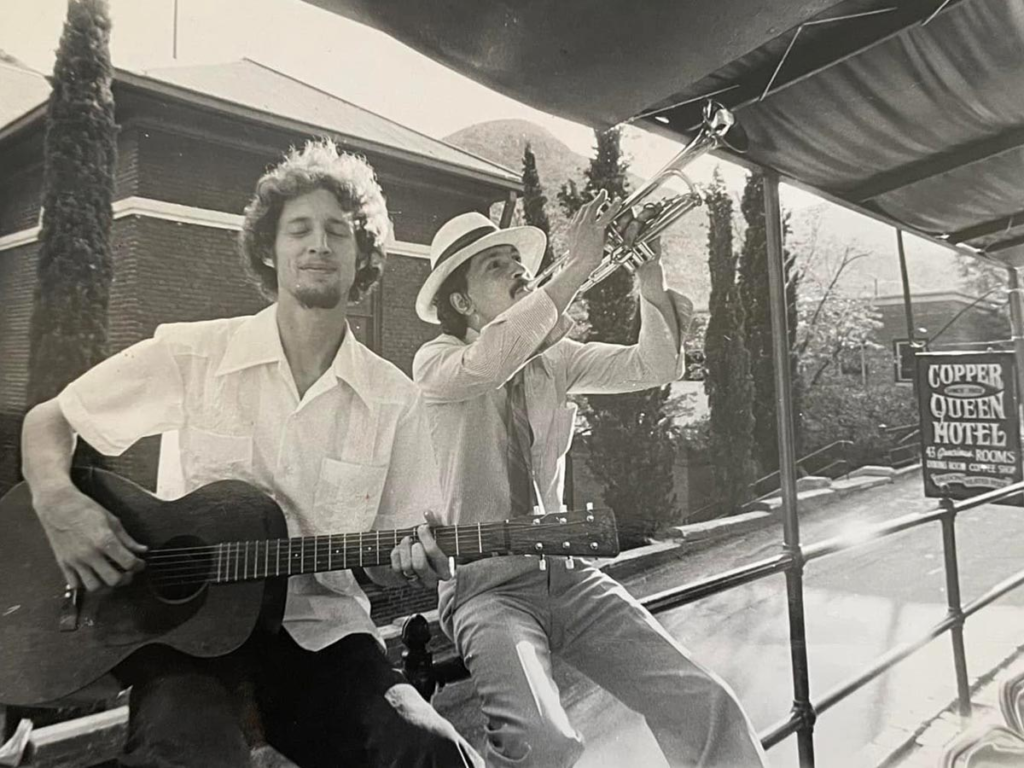
By the 1980s, the “Old Guard” of remaining miners and the new “Frontier Art Colony” were negotiating a shared identity. Residents successfully lobbied to establish an official Historic District, preserving the town’s unique Victorian and Art Deco architecture.
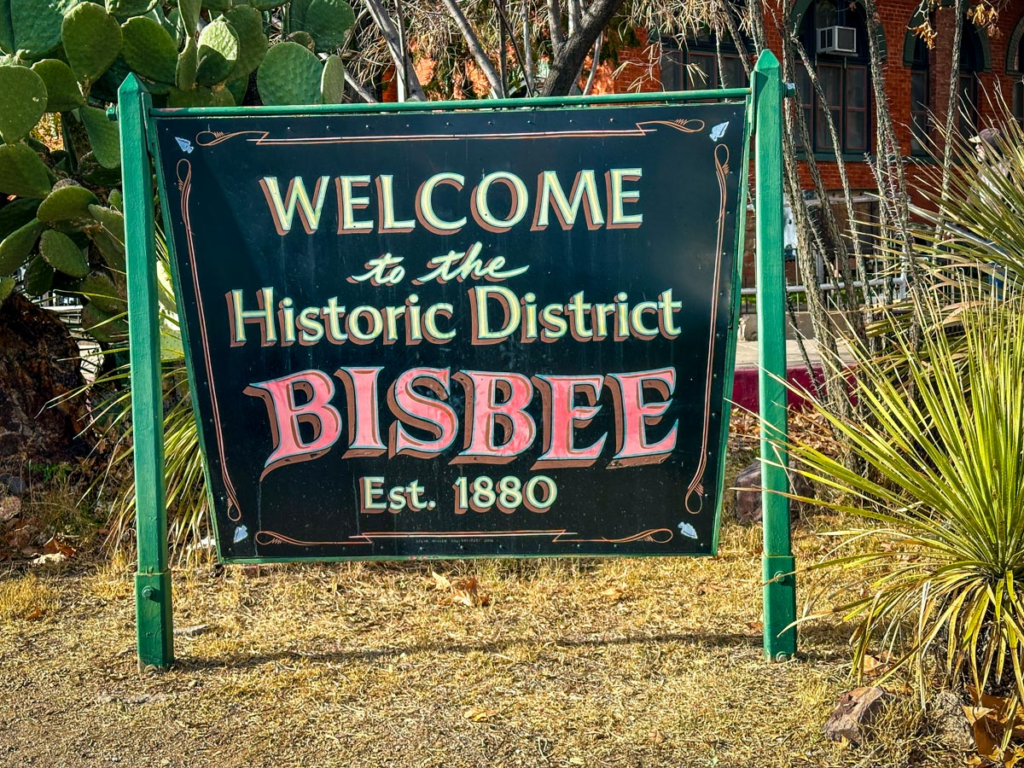
Today, the industrial gears have ceased, replaced by the slow-motion theater of tourism. The mines are now museum pieces, their dark orifices preserved for the curious. The workers’ shacks have been re-colonized by an arts colony, where the aesthetics of decay are sold as a boutique experience.
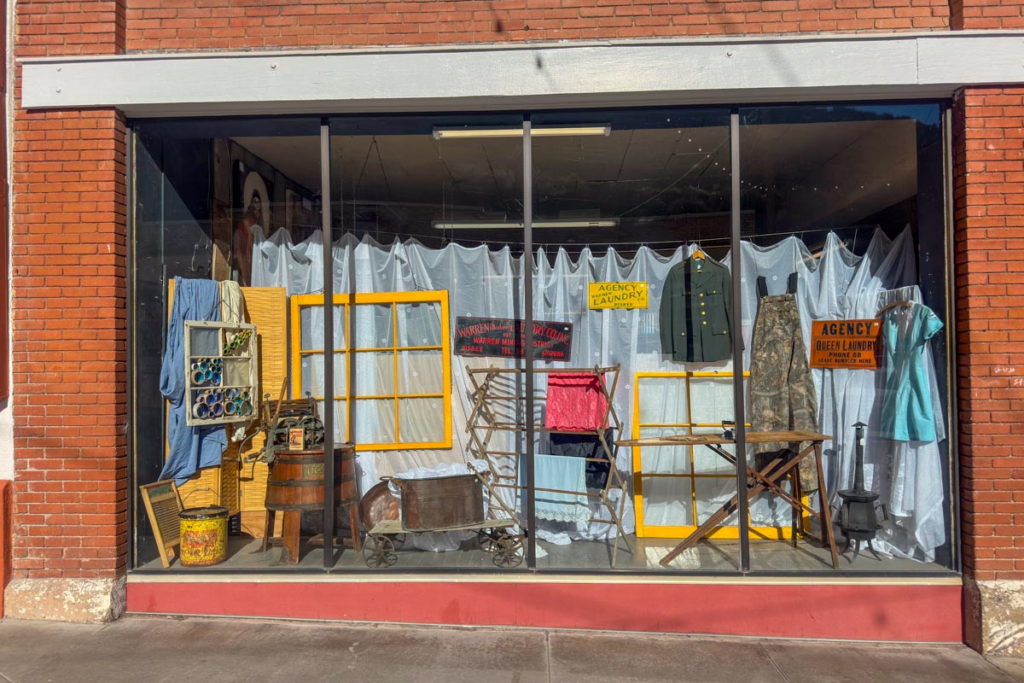
Today, Bisbee remains a living palimpsest, where the heavy, metallic shadows of the miners coexist with the neon-bright eccentricities of its artistic colonizers. It is a town that has successfully navigated the terminal beach of industry to find a new, albeit strange, immortality.

Tourists wander through the silent canyons, browsing galleries and drinking in bars that once echoed with the violence of the frontier. Bisbee has become a living diorama of the past, a place where history is not remembered, but curated within the shimmering heat-haze of a desert afternoon.
Tracing the Transformation:
- The Epicenter: Explore Main Street, where former company stores now house contemporary galleries.
- The Legacy: Visit the Copper Queen Hotel, which survived the transition to become the stately anchor of both the mining and bohemian eras.
- The Visual Record: Observe the outdoor murals scattered through the canyons, the primary color-coded evidence of the town’s artistic rebirth.