
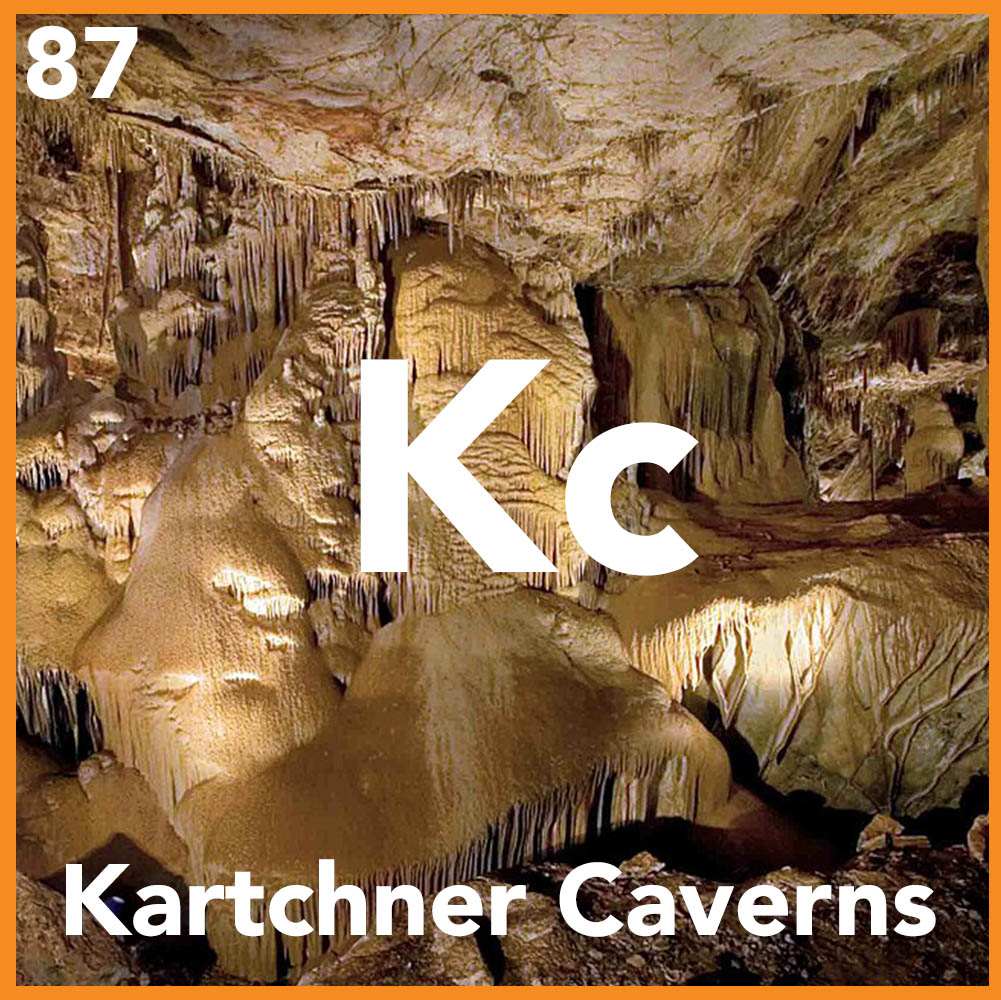
A “Living” Legend
Kartchner Caverns exists as a hermetically sealed time capsule, a subterranean laboratory of limestone and humidity buried beneath the Whetstone Mountains. It is a “living” architectural marvel where the slow-motion sweat of the earth has constructed a cathedral of calcite, protected from the entropic decay of the surface world by a series of massive, airtight airlocks.
The Living Interior: A Kinetic Mineralogy
The cavern is a high-pressure greenhouse, maintained at a constant 99% humidity. It is a biological bunker where stalactites and stalagmites continue to grow at the imperceptible pace of a geologic clock.
These are minimalist cathedrals of the deep. The “Kubla Khan” column stands as a 58-foot totem of frozen time, while the “Soda Straws” are fragile, hollow needles of white stone that JG Ballard might have described as the crystalline nervous system of the mountain.
The Preservation Protocol
To enter the cave, you must pass through a sequence of pressurized chambers designed to prevent the dry, terminal air of the Arizona desert from “killing” the cavern’s moisture.
The oils from human skin are a biological toxin to the cave’s growth. The interior is a high-security sanctuary where visitors are strictly confined to concrete pathways—a stylized gallery of the untouchable.
Know Before You Go:
- The Transit: A 50-minute drive northwest from Bisbee via Highway 82. The route is a fast, hypnotic transit through the Sulphur Springs Valley.
- Mandatory Reservations: This is a choreographed experience. Reservations are the essential “key” to the bunker; walk-ins are often met with the silent, locked gates of a sold-out schedule.
- The Physical Toll: The walk is a moderate exercise in a warm, oxygen-heavy environment. While the paths are ADA accessible, the humidity can feel like a physical weight on the uninitiated traveler.
- Forbidden Artifacts: No cameras, phones, bags, or even bottled water are allowed inside the cave. You must surrender your electronic eyes to the lockers at the Discovery Center before entering the airlocks.
- The Bat Ritual: During the summer months (April–October), the Big Room is closed to human observers. It becomes a nursery for thousands of cave bats, a biological takeover that returns the cave to its true inhabitants.
- Tributes: Tour fees range from $23 to $30, a small price to pay for a 90-minute voyage into the planet’s subconscious.
- Website: azstateparks.com/kartchner