
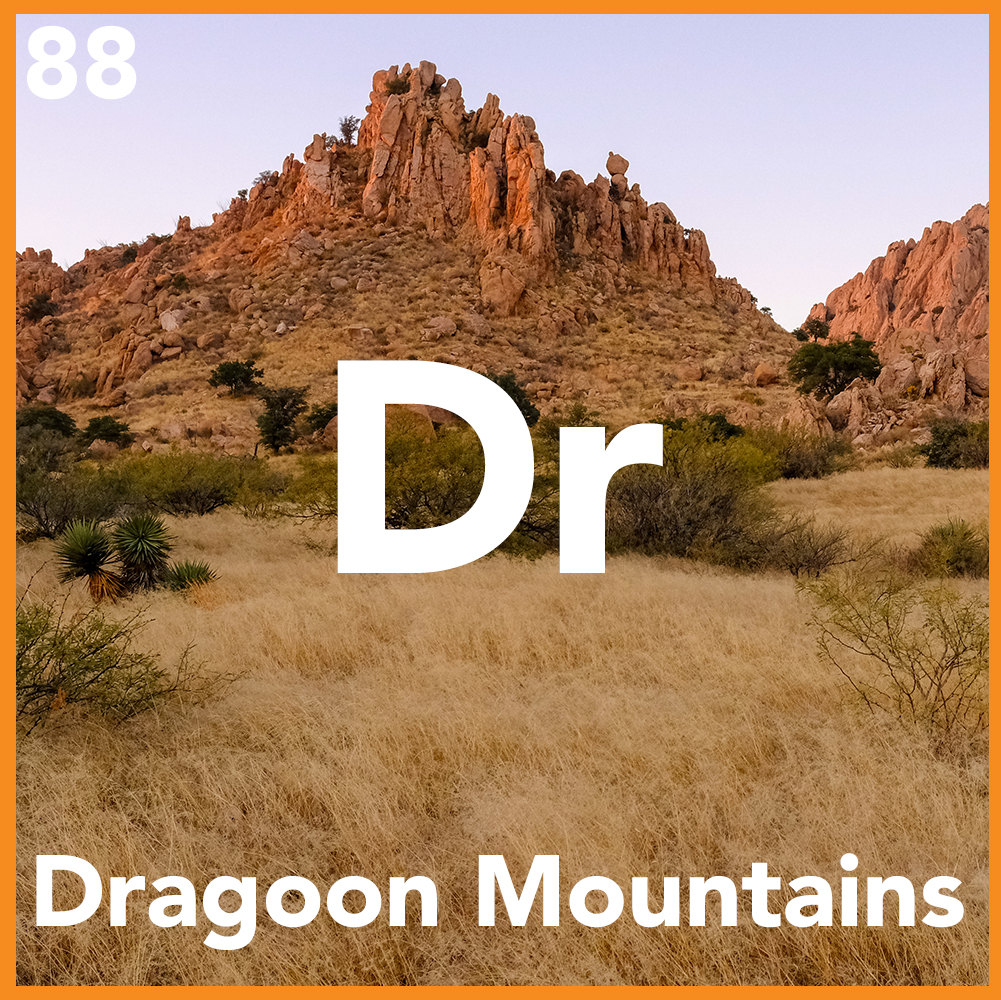
Rattle Your Soul (and Your Teeth)
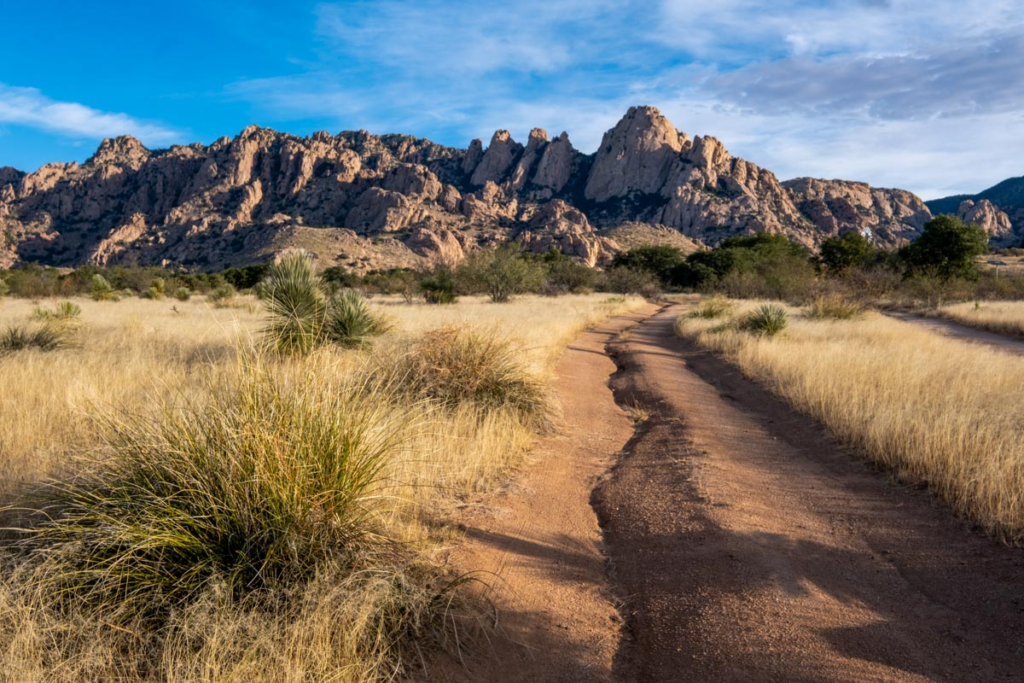
The Dragoon Mountains exist as a petrified fortress of granite, a chaotic labyrinth of boulders and sky-high spires that act as a “geological nervous system.” It is a fortress of the subconscious, where the legendary Apache leader Cochise sought refuge in a landscape designed for invisibility and absolute defense.
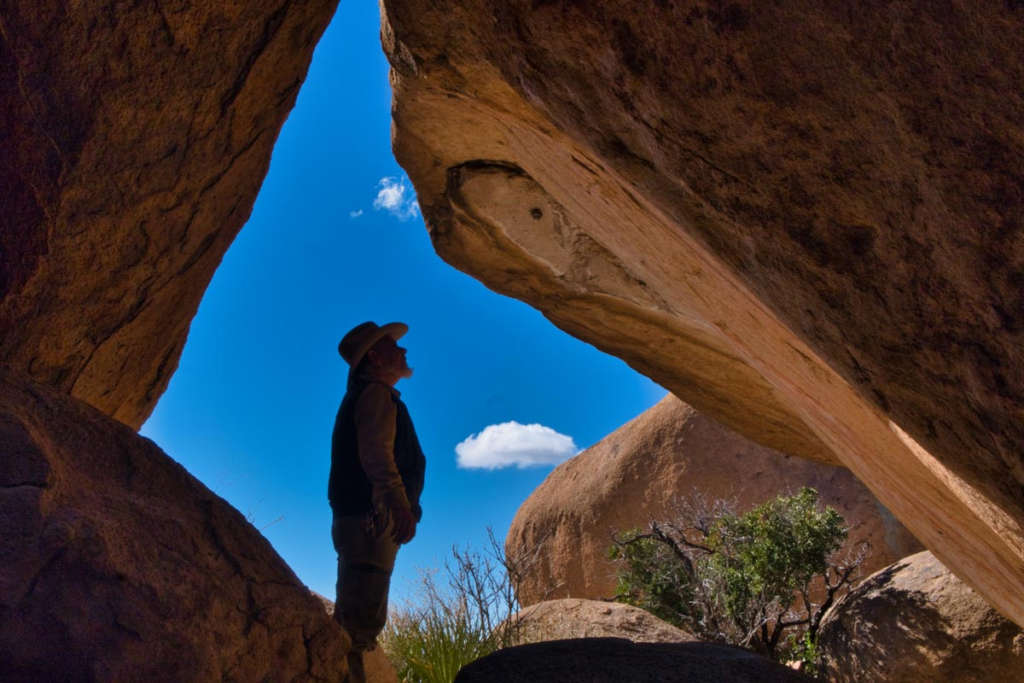
Cochise Stronghold: The East Side Sanctuary
The Cochise Stronghold is a natural citadel of weathered stone. The Stronghold Trail is a 5-mile transit through a forest of balanced rocks and hidden alcoves—a physical manifestation of a defensive military strategy.
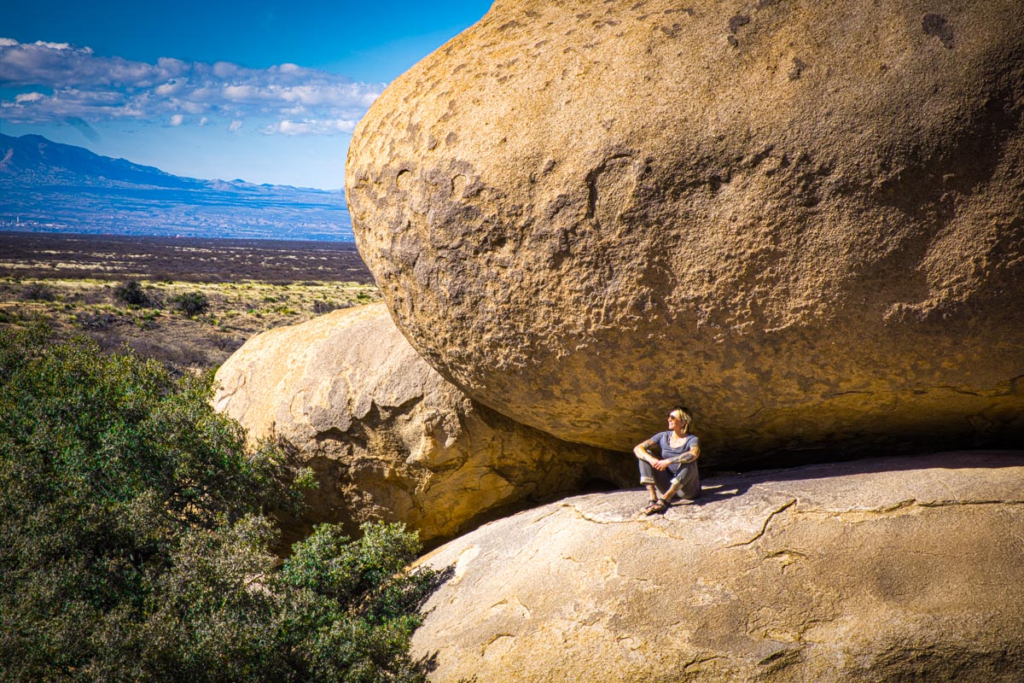
Beneath the towering “claws” of the mountains lies an oasis of oaks and manzanita. It is a cool, shaded bunker that offers a quiet sanctuary from the white glare of the Sulphur Springs Valley.
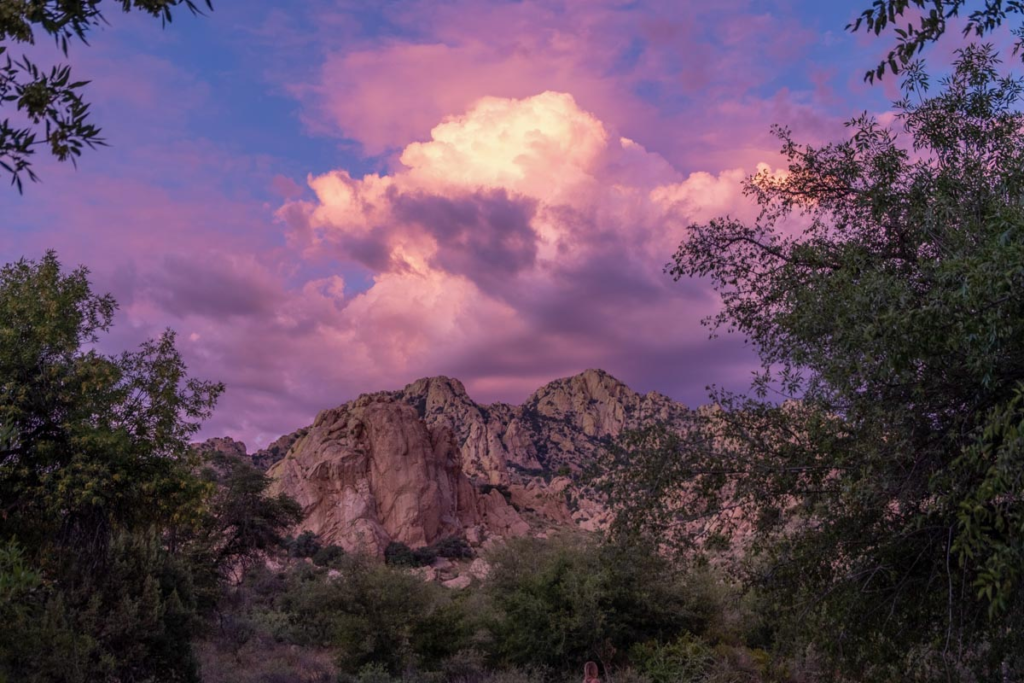
The West Side: The Primitive Frontier
Accessing the western flank of the Dragoons involves navigating a network of unpaved, primitive roads that wind through “Texas Canyon.” These are the roads for the high-clearance vehicle, a kinetic exercise in desert navigation.
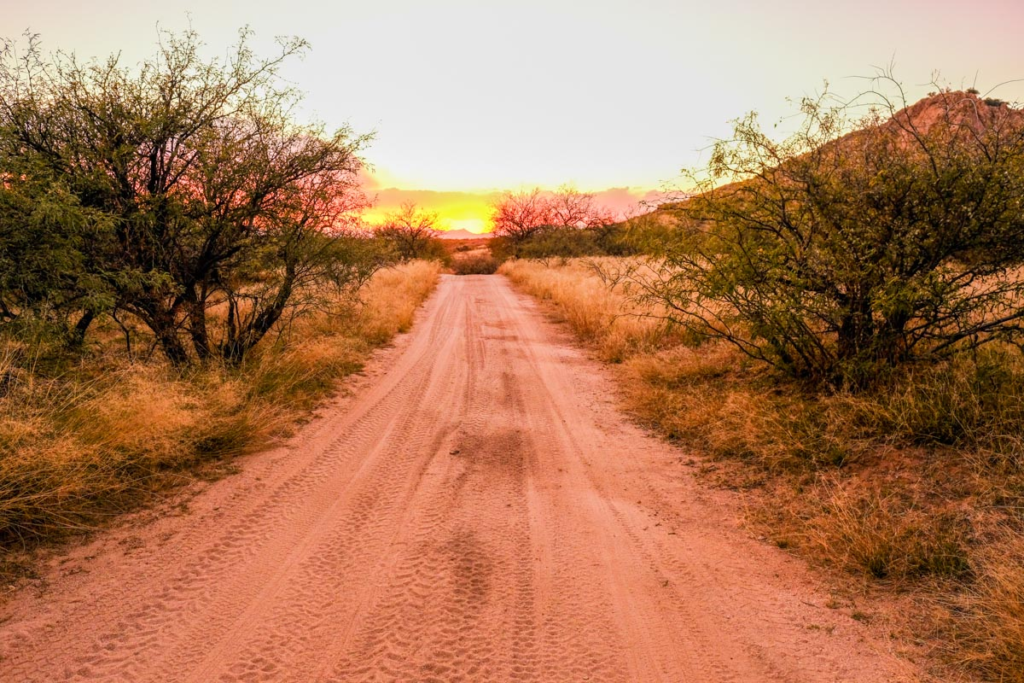
The west side is a destination for the boondocker. It offers dispersed camping among the boulders, where you can establish a temporary, self-contained base camp in the shadow of the monoliths.
The Amerind Foundation: An Archaeological Archive
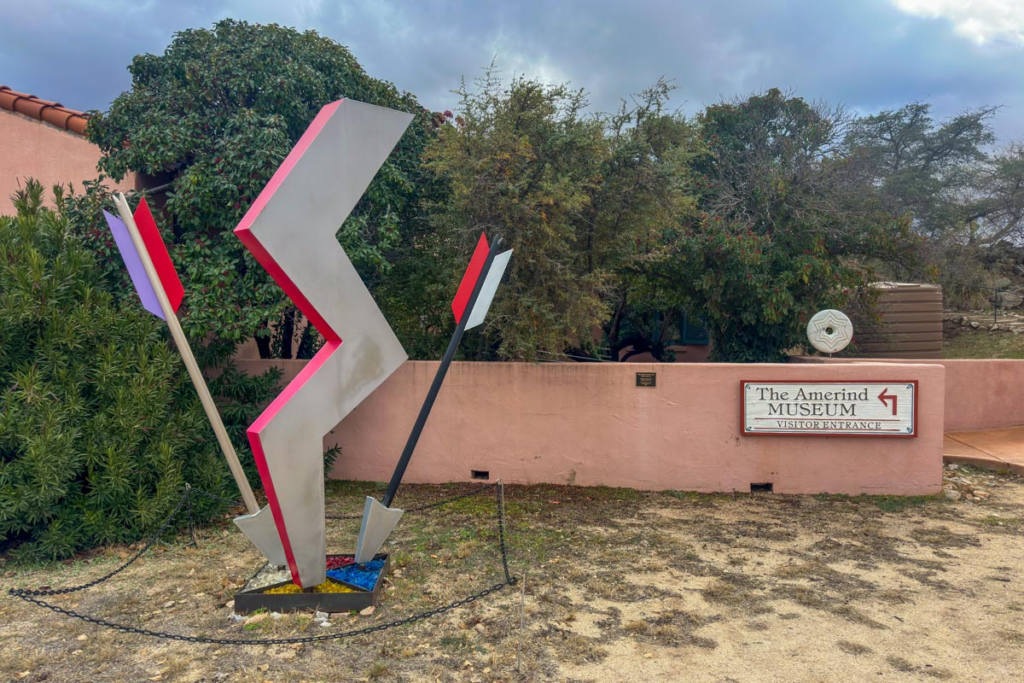
Tucked into the granite folds of Texas Canyon is the Amerind Museum. It is a high-caliber research facility and museum housed in a Spanish Colonial Revival campus. Inside, the history of the O’odham, Apache, and Hopi is preserved in a series of galleries that feel like a quiet terminal of indigenous knowledge. It is a museum of “deep time” buried in a landscape of stone.
Logistics of the Granite Fortress:
- The Transit: A 50-minute drive north from Bisbee. The Dragoons rise from the desert floor like a jagged, grey mirage.
- Primitive Logistics: At the Stronghold Campground, there is no trash service and no electricity. Water is available, but the traveler should function as an autonomous unit.
- The Weather Flux: The granite holds the heat of the sun; in winter, the mountains are a crystalline, cold refuge, while in summer, the stone radiates a heavy, thermal weight.
- Website: fs.usda