
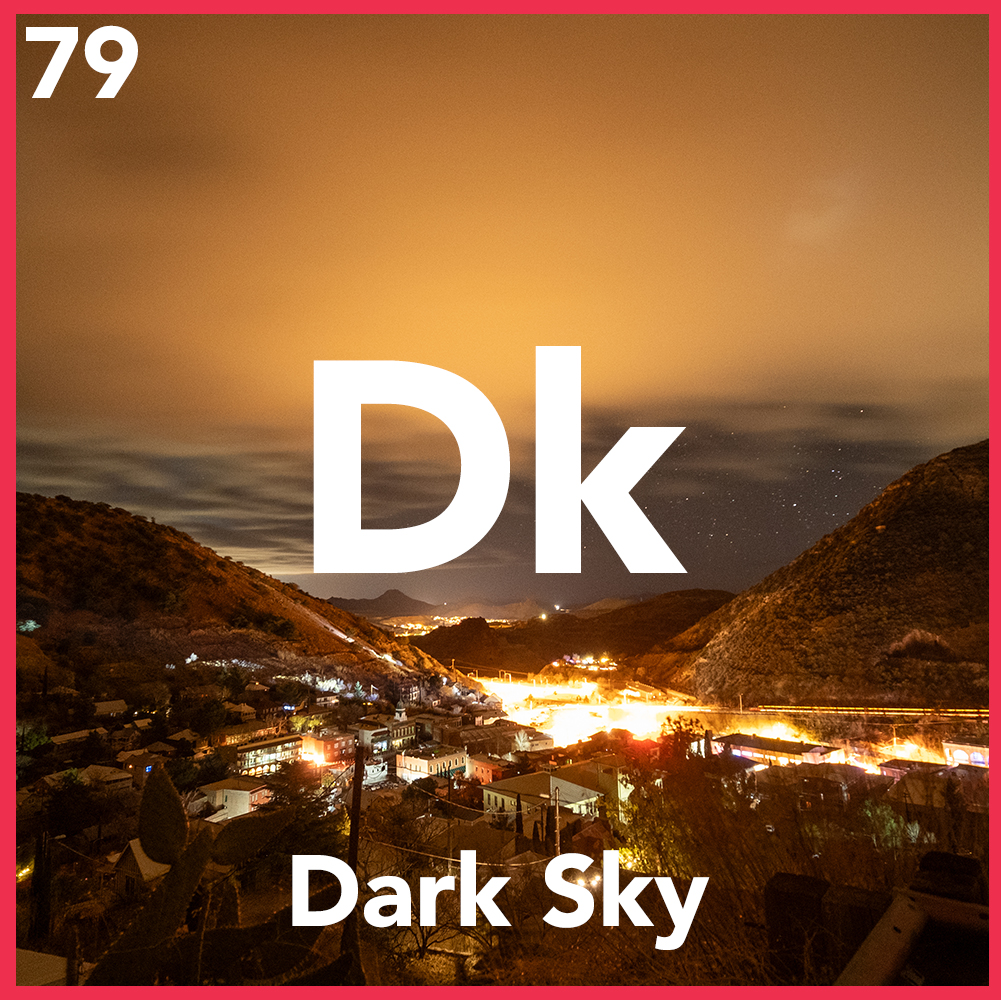
Bisbee’s high altitude (5,300 ft), low humidity, and remote location on the edge of the Chiricahua Desert make it a premier destination for “astro-tourism” and stargazing.
The Sky Island Advantage
Bortle Scale Brilliance
While Old Bisbee has some street lighting, the surrounding Mule Mountains often hit a Class 2 or 3 on the Bortle Dark-Sky Scale, offering views of the Milky Way that are impossible to see in Tucson or Phoenix.
Atmospheric Clarity
Because Bisbee is a “Sky Island,” you are physically above much of the dust and haze of the lower desert, resulting in stars that appear larger and steadier (less “twinkling”).
Best Local Stargazing Spots
Lavender Pit Overlook
Located on the edge of town, this spot provides a massive, unobstructed horizon to the south and east—perfect for catching planetary alignments or the rising moon.
Juniper Flats
For those with a high-clearance vehicle, driving up to the Juniper Flats area above the city offers a 360-degree celestial view far above the canyon’s light “dome.”
The Bisbee Cemetery
A favorite for local “astro-photographers,” this open area in the south of town offers a quiet, dark expanse with the dramatic silhouette of the mountains as a backdrop.
Nearby Dark Sky Meccas
Chiricahua National Monument
About an hour away, this is a certified International Dark Sky Park. The “Wonderland of Rocks” provides a surreal, alien landscape for nighttime photography.
San Pedro Riparian National Conservation Area
A short drive west toward Sierra Vista, this flat basin offers an incredibly wide sky, often used by the Huachuca Astronomy Club for public star parties.
Know Before You Go:
- Red Light District: If you are stargazing with others, use a red-light flashlight or headlamp to preserve your night vision; it takes about 20 minutes for your eyes to fully adjust to the dark.
- Temperature Drops: Even in summer, the desert temperature plummets after dark. Bring a heavy jacket or blanket, especially if you are heading to the higher elevations of the Mule Mountains.
- Monsoon Windows: During the July–September monsoons, the sky is often cloudy in the evening. The best “crystal clear” viewing usually happens in the late fall and winter (October–March).
- Website: BisbeeDarkSkies.com