
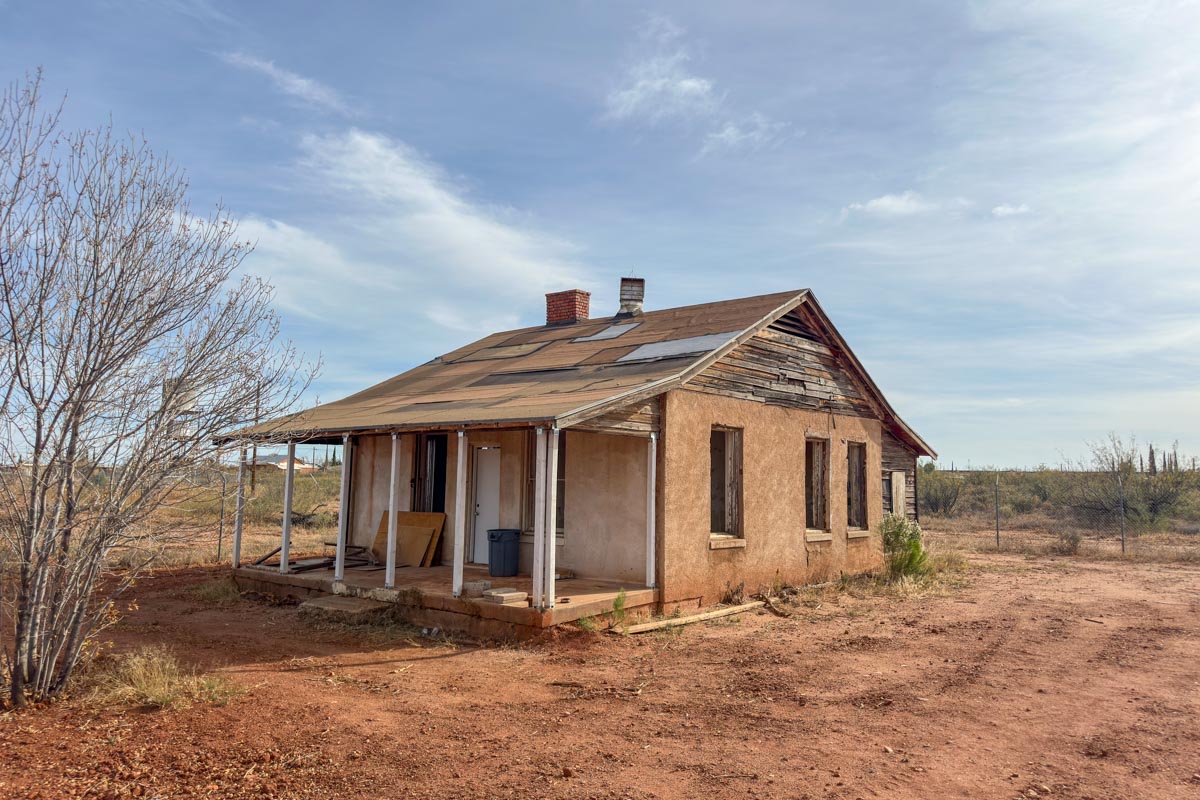
Don’t Let History Crumble
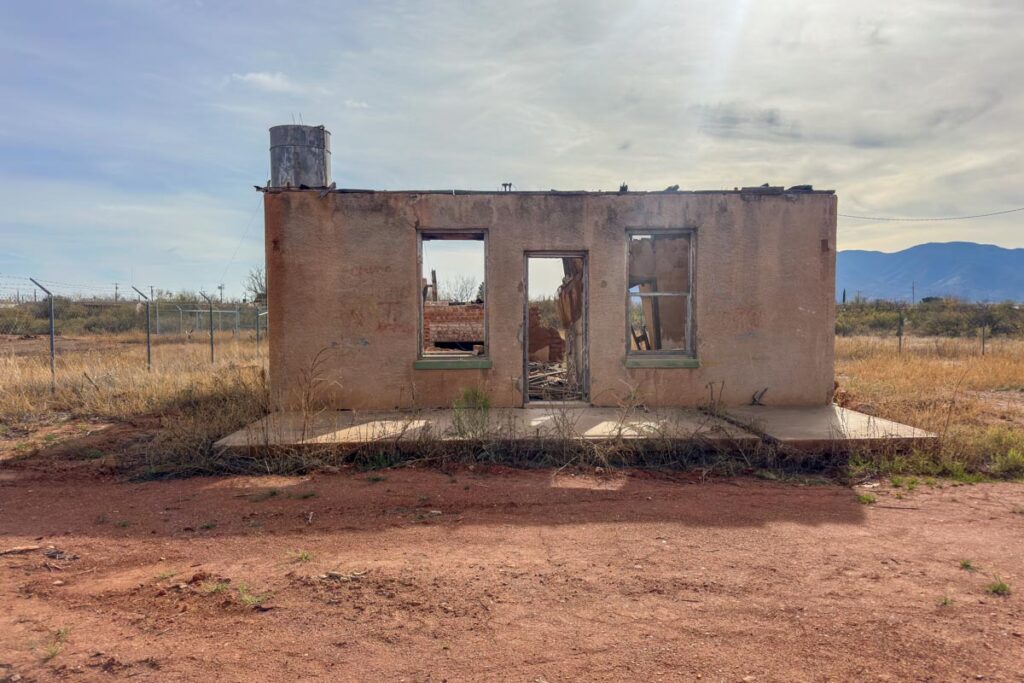
Standing just hundreds of yards from the international border in Naco, Arizona, the weathered adobe walls of Camp Naco (originally known as Camp Newell) represent the final physical remains of a massive 1,200-mile defensive chain. Built between 1919 and 1923, it is the only survivor of 35 permanent military outposts established along the U.S.-Mexico border during the unrest of the Mexican Revolution.
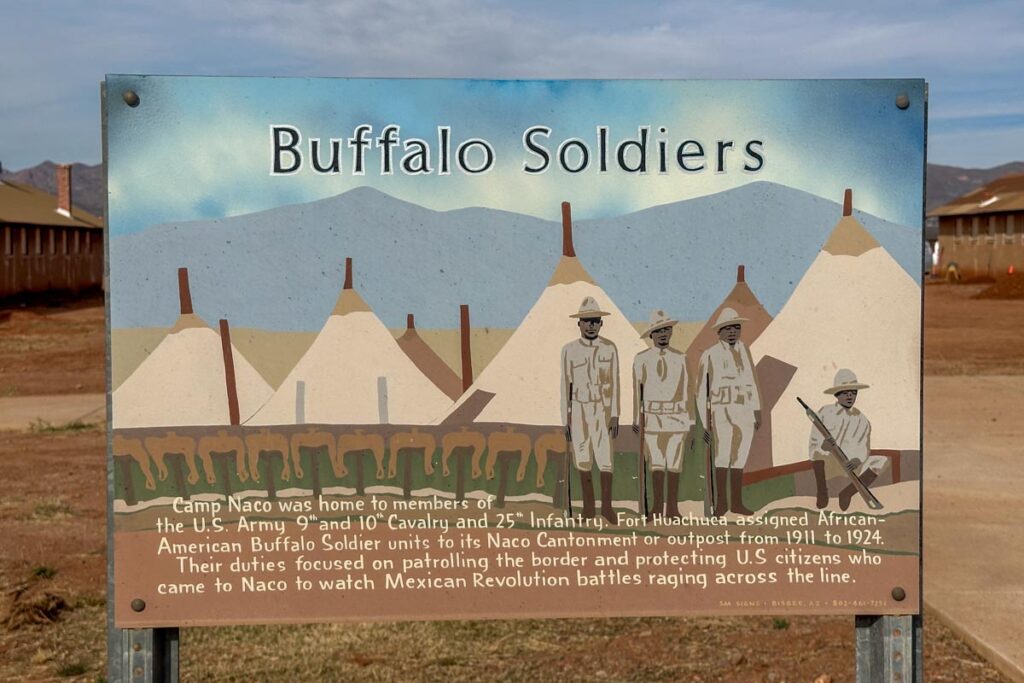
Camp Naco’s history is inextricably linked to the Buffalo Soldiers—segregated African American regiments of the 9th and 10th Cavalry and the 25th Infantry. Dispatched from Fort Huachuca, these soldiers were tasked with protecting U.S. citizens, preventing arms smuggling to rebel forces, and ensuring the violence of the Mexican Revolution did not spill across the border.
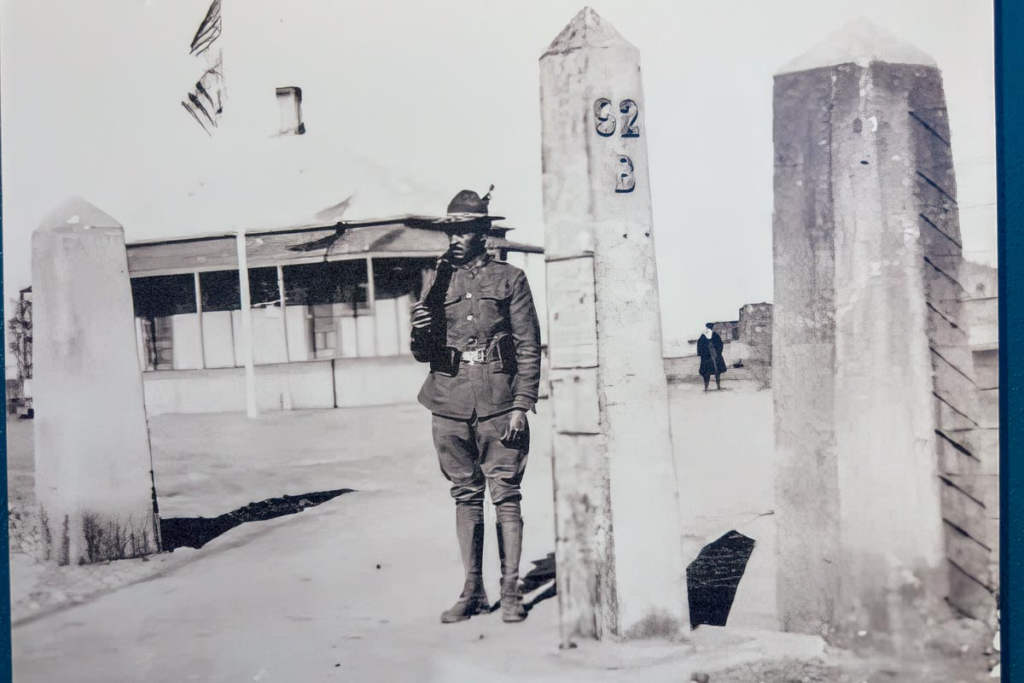
During the 1914 siege of Naco, Sonora, Buffalo Soldiers maintained a precarious peace for 114 days as bullets from Pancho Villa’s forces frequently flew into Arizona territory.
While most other border camps were constructed of wood or brick and later disassembled for recycled materials, Camp Naco was built almost entirely of adobe. Because adobe is difficult to deconstruct and transport, the camp remained largely undisturbed after its decommissioning in 1923.
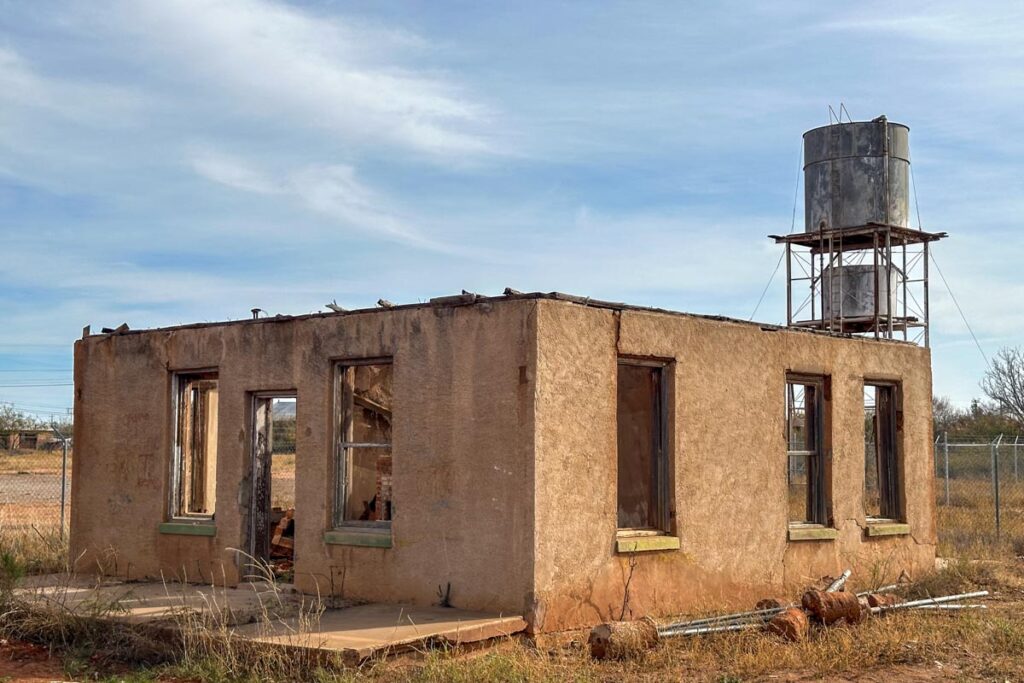
On January 30, 2025, officials formally broke ground on Phase One of a multi-million dollar rehabilitation project funded by the State of Arizona and the Mellon Foundation. Plans include restoring 20 adobe buildings for use as a Buffalo Soldier interpretive center (the former hospital), a community library, and art studios.
Planning Your Visit (The “Restoration” Phase):
- Current Access: The site is currently undergoing a massive $8 million rehabilitation. While you can view the 23 remaining adobe structures and interpretive signs from outside the perimeter fence, general interior access is restricted for safety.
- Guided Tours: Public entry is typically limited to occasional programmed events and guided walkthroughs. Check the Official Camp Naco Website or their Facebook page for upcoming tour dates led by the Naco Heritage Alliance.
- Anticipated Opening: The project aims to fully open as a vibrant community center, museum, and arts destination by December 2026.
- Location: 2118 W. Newell St., Naco, AZ. It is just a few hundred yards from the U.S.-Mexico border wall.
- Admission: Admission to the grounds and special events is generally free, though donations to the Naco Heritage Alliance are encouraged to support ongoing preservation.
- Parking: There is on-site parking available, though visitors are advised to park and walk carefully near the active restoration zones.
- Website: campnacoaz.org
In Naco
-
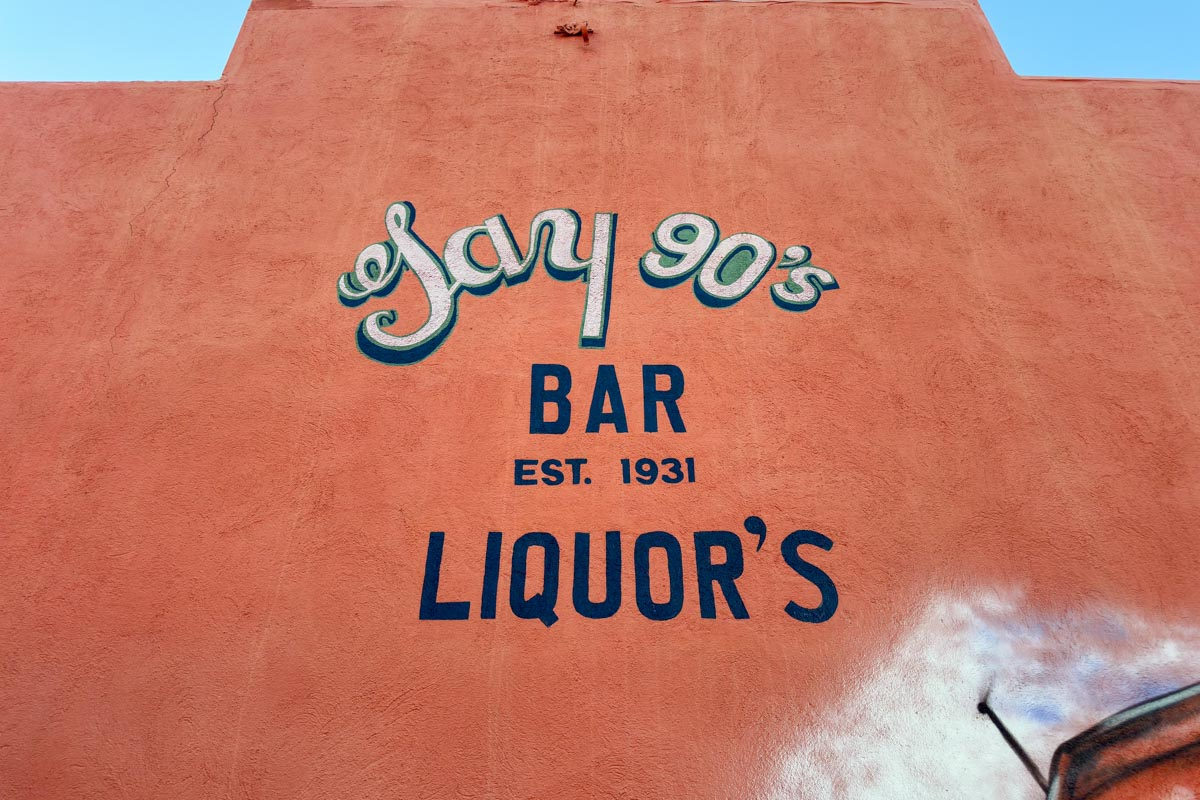
Gay 90’s Bar
In the tiny border town of Naco, Arizona, where the pavement sometimes feels optional, stands a time capsule known as the Gay 90’s Bar.